

Enjoy all the benefits we offer and track your purchases in the order history.
RegisterYou will receive a link by email to reset your password.


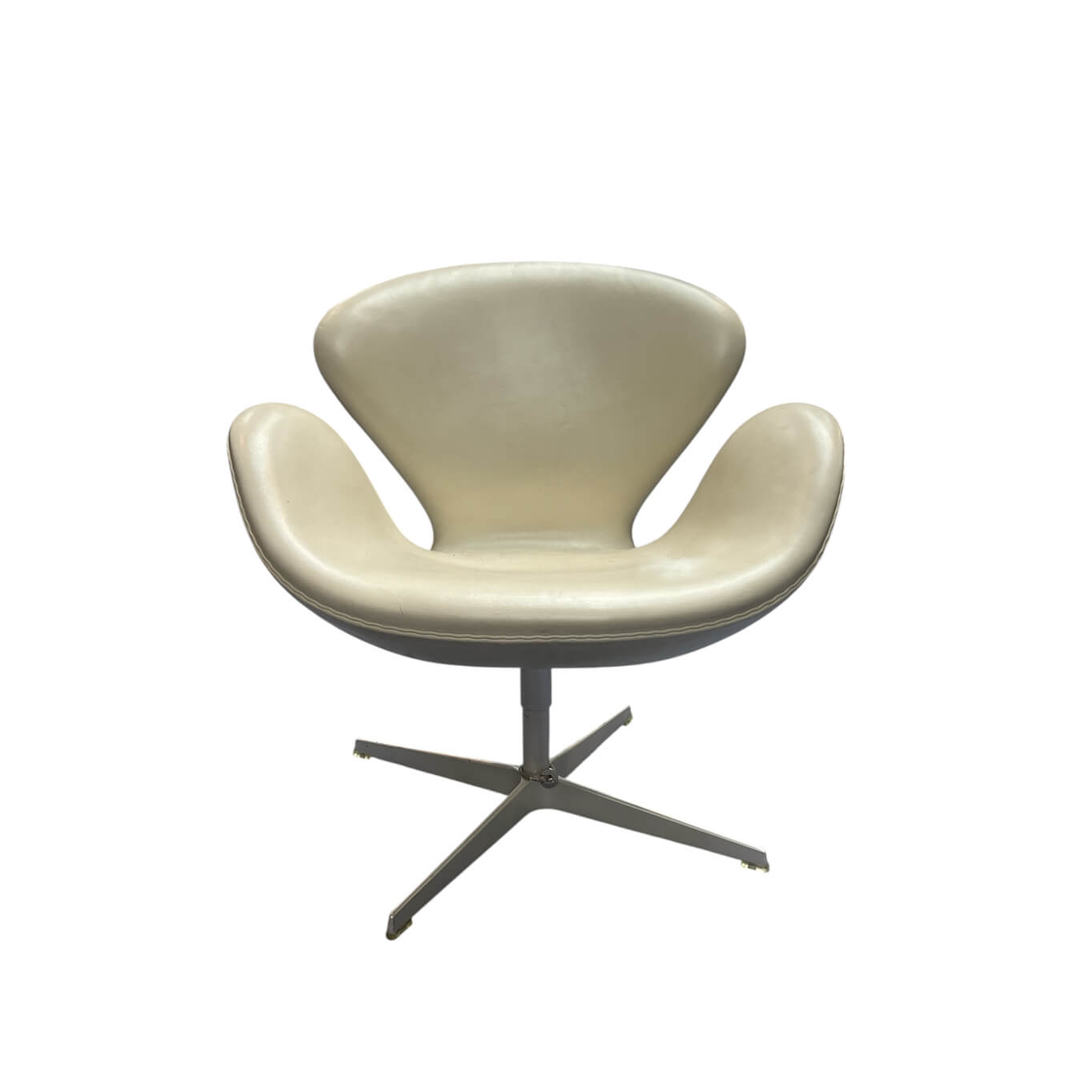
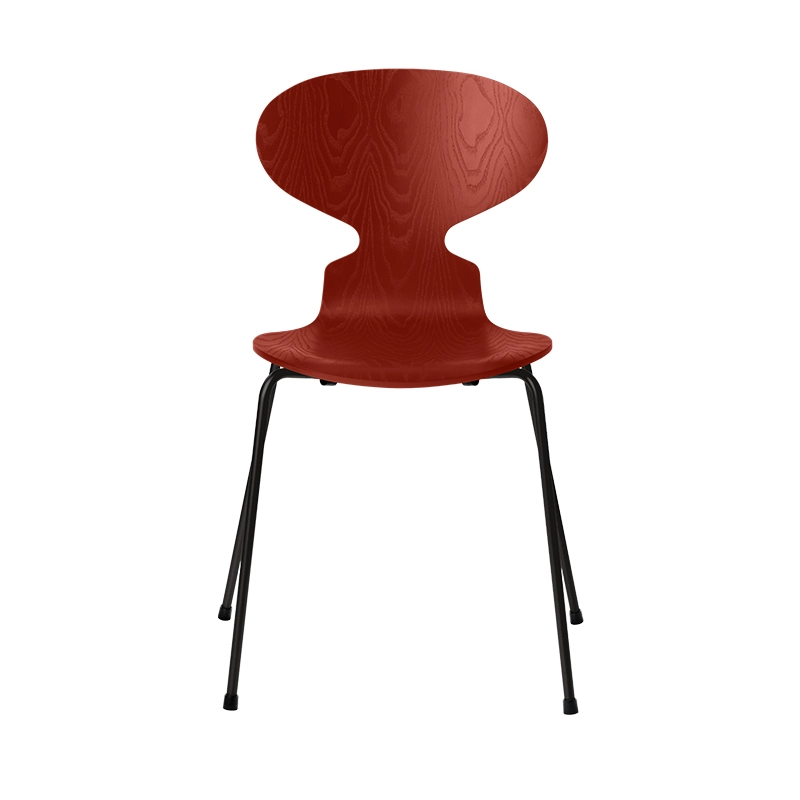
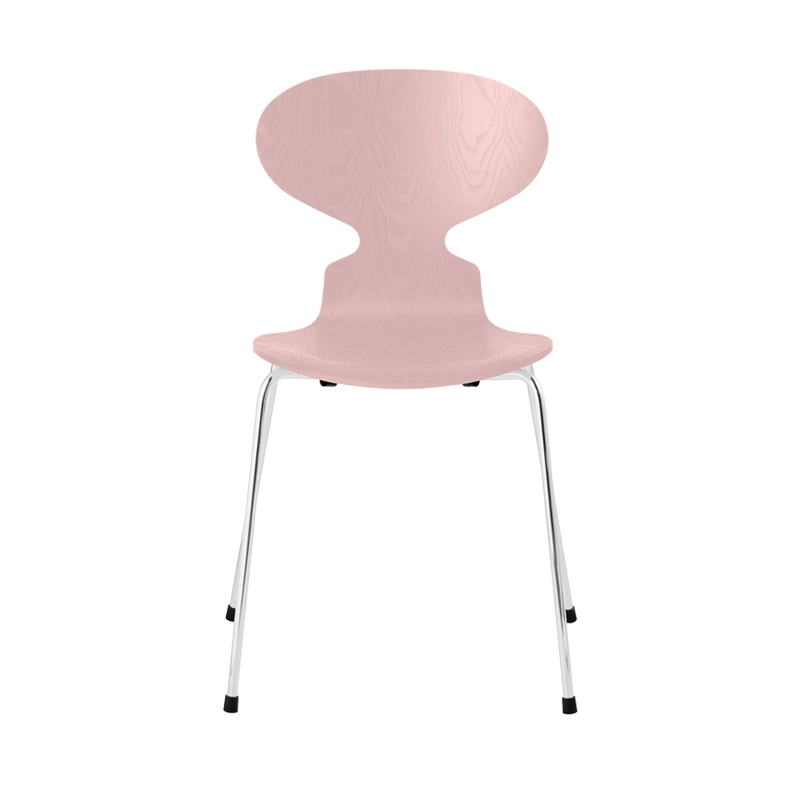
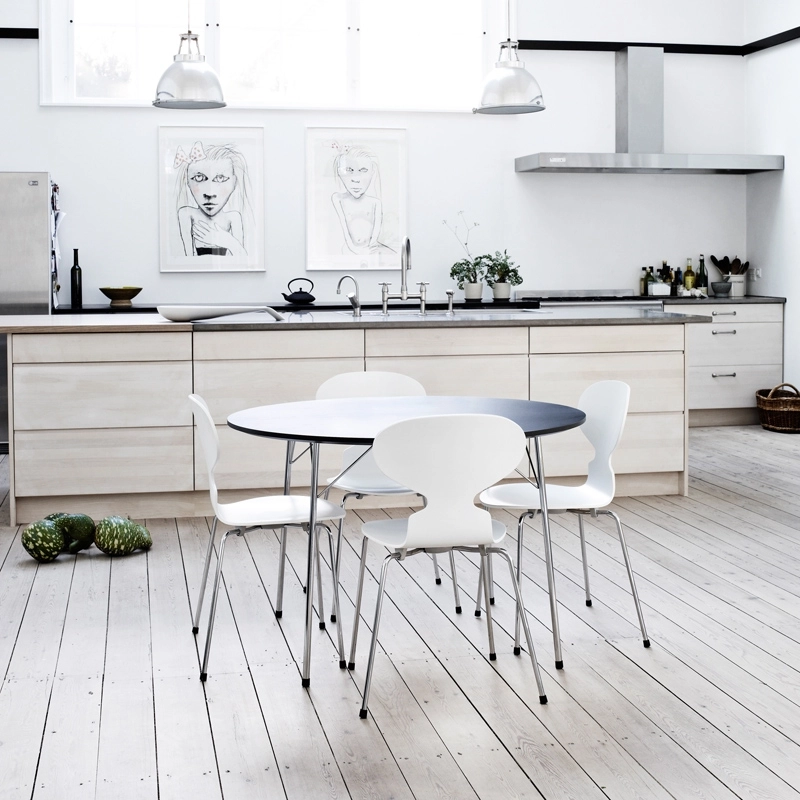
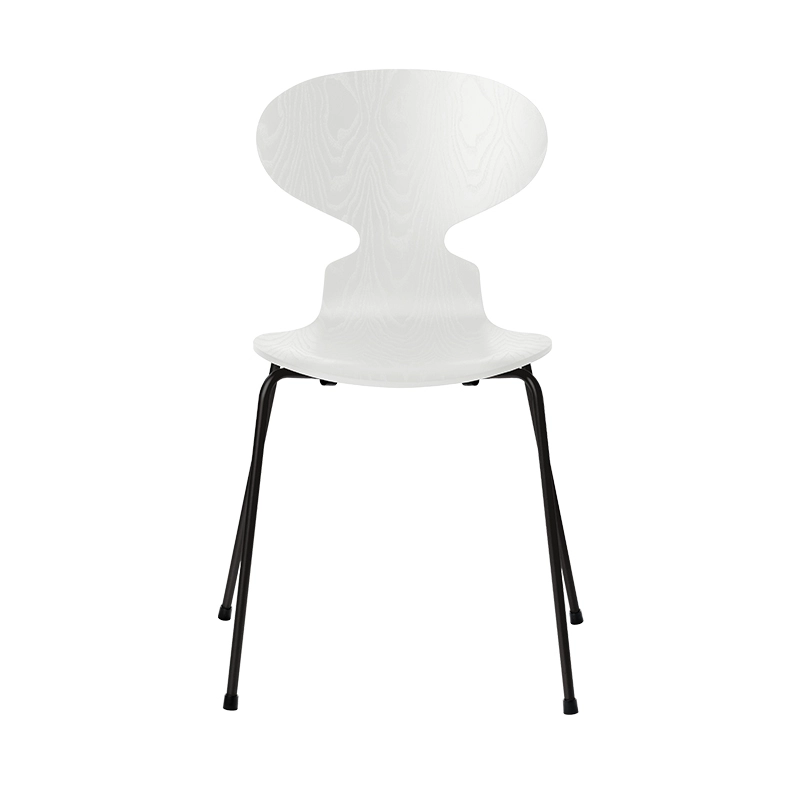
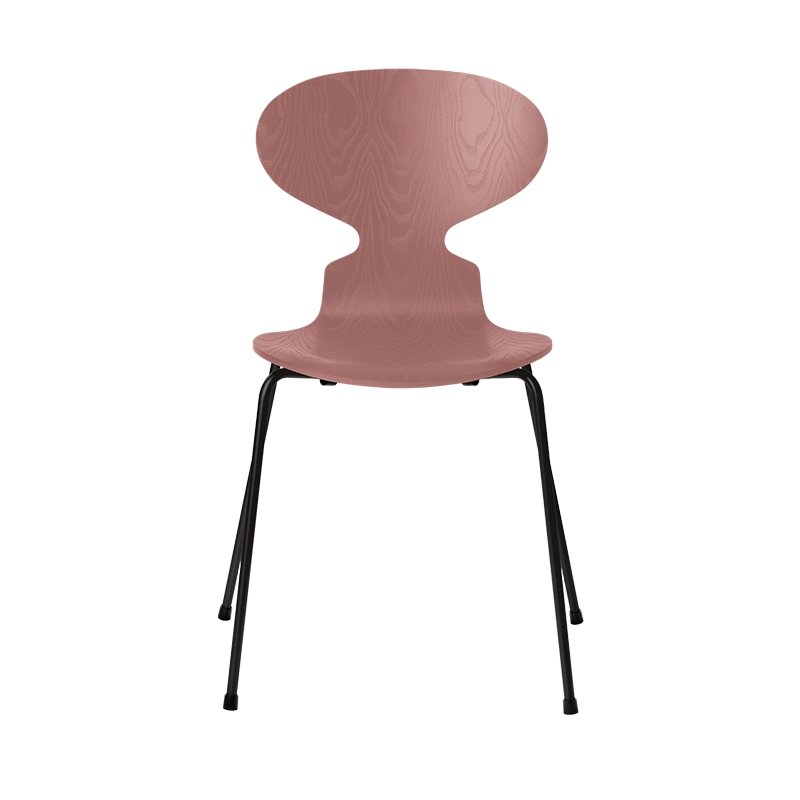
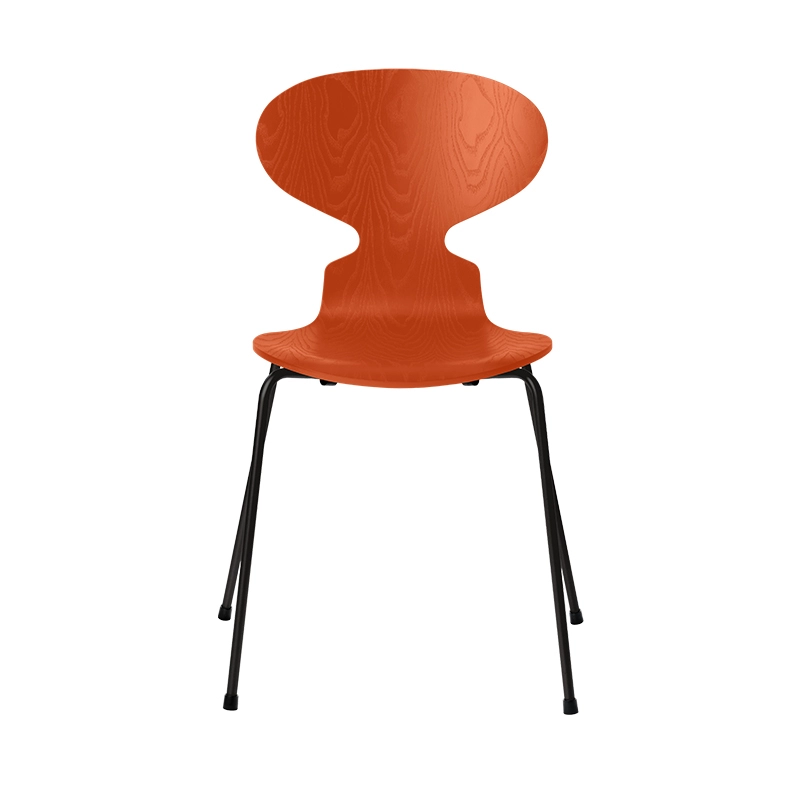
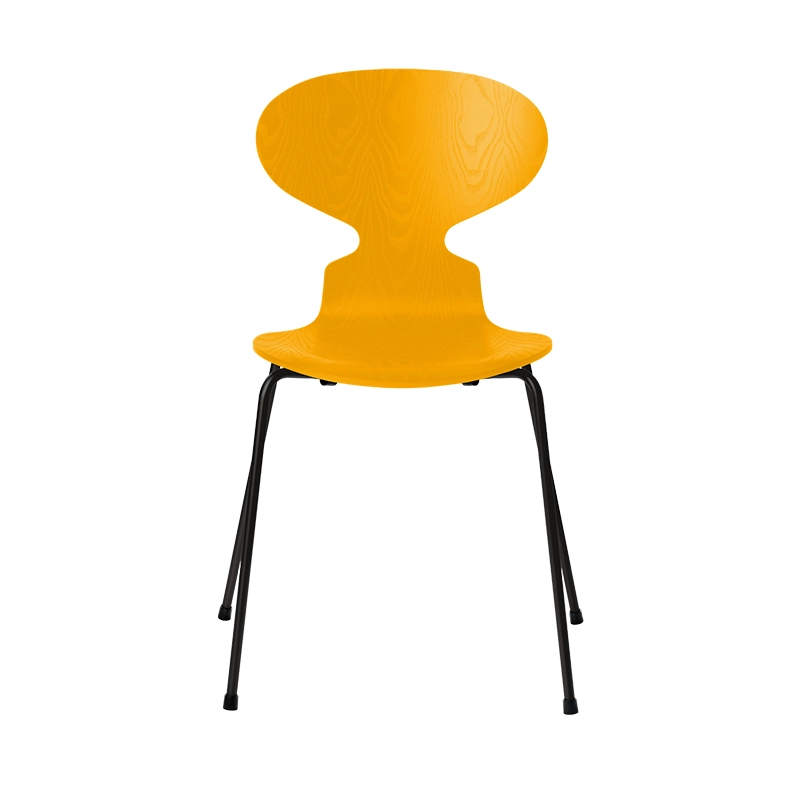
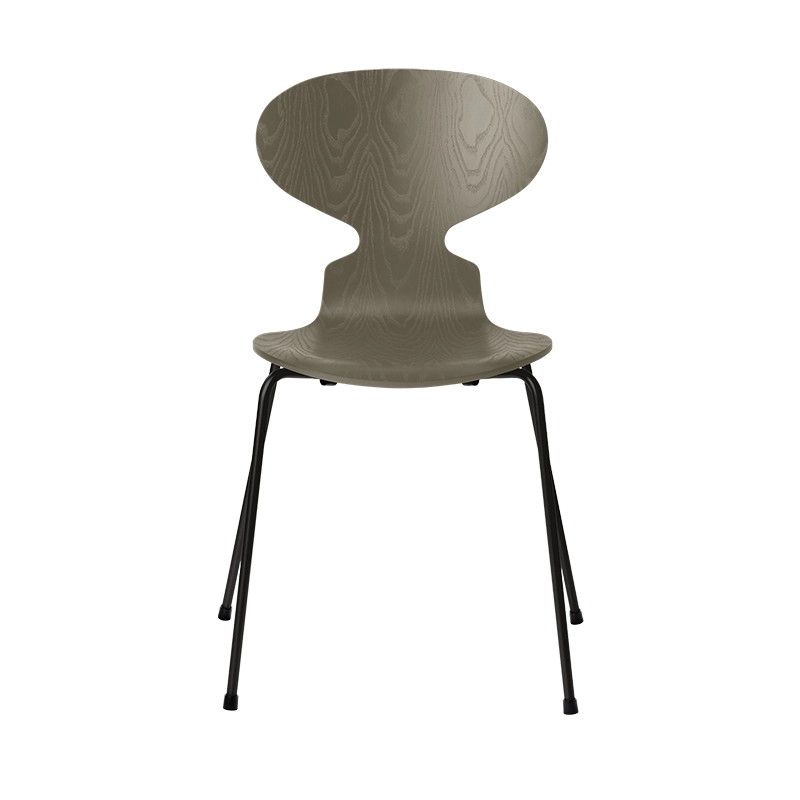
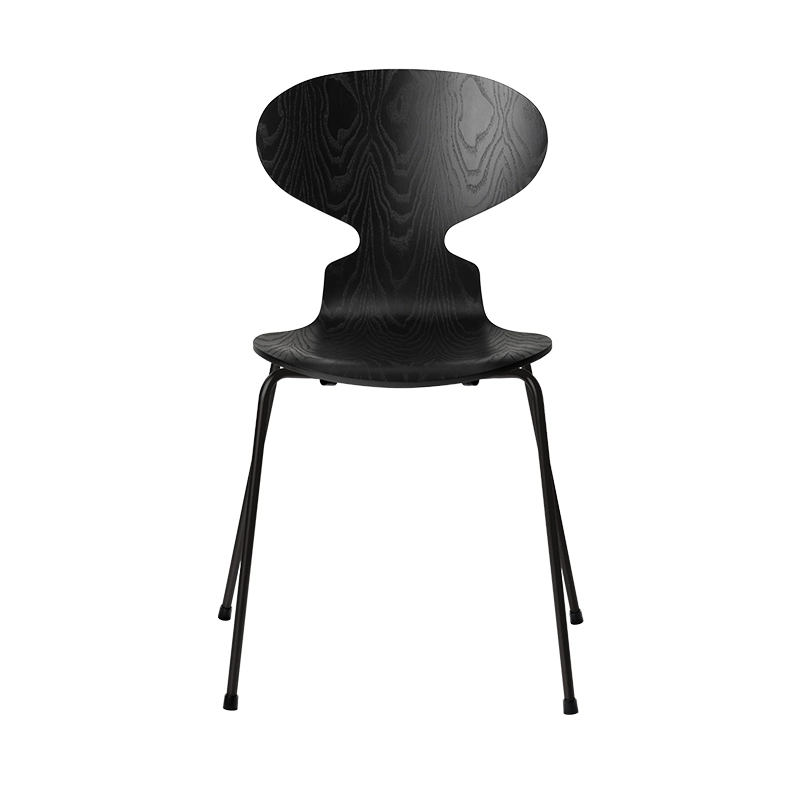
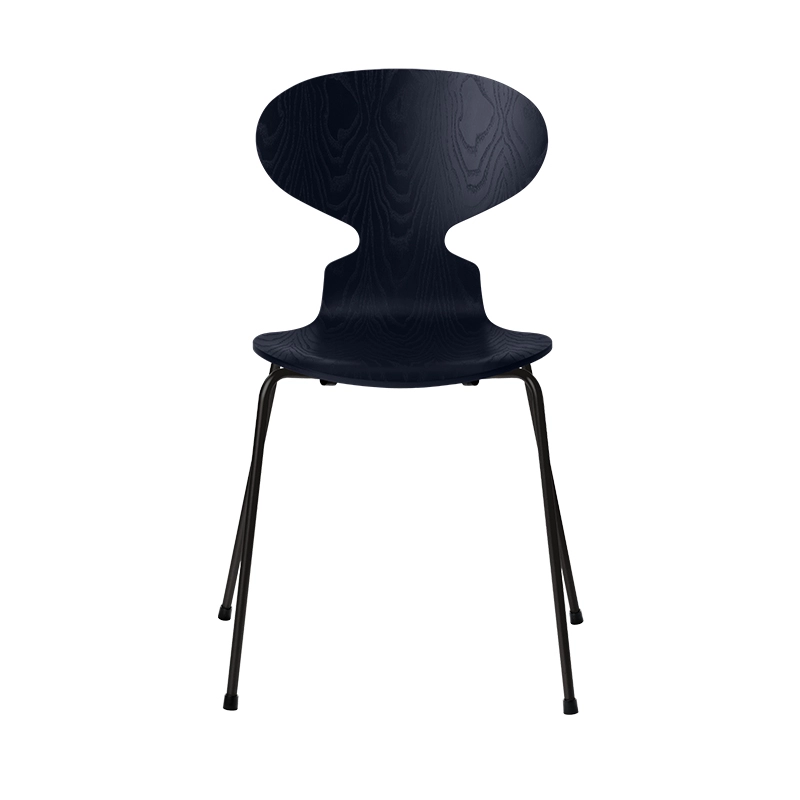
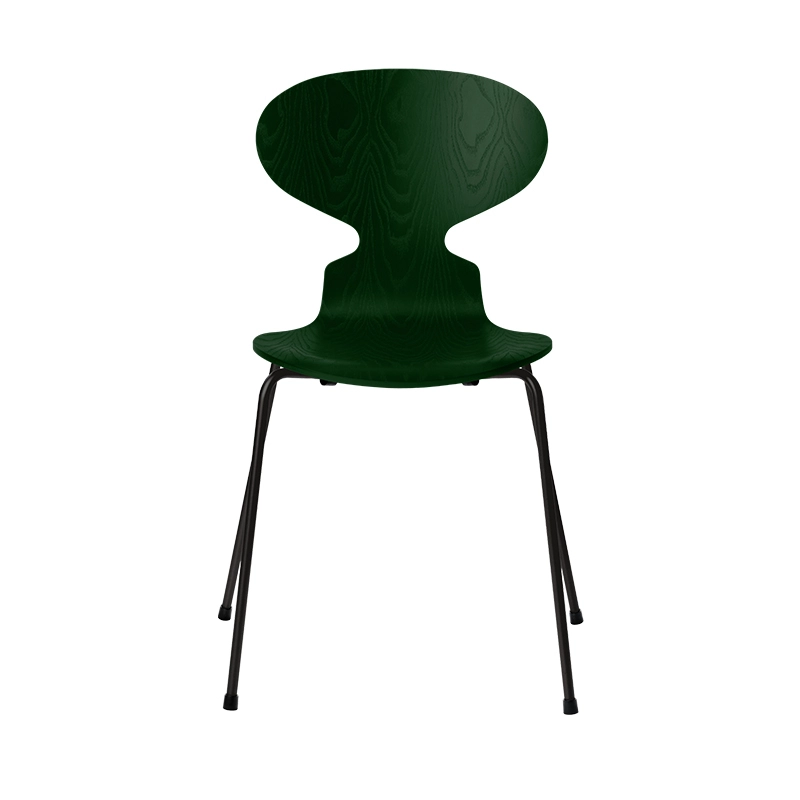
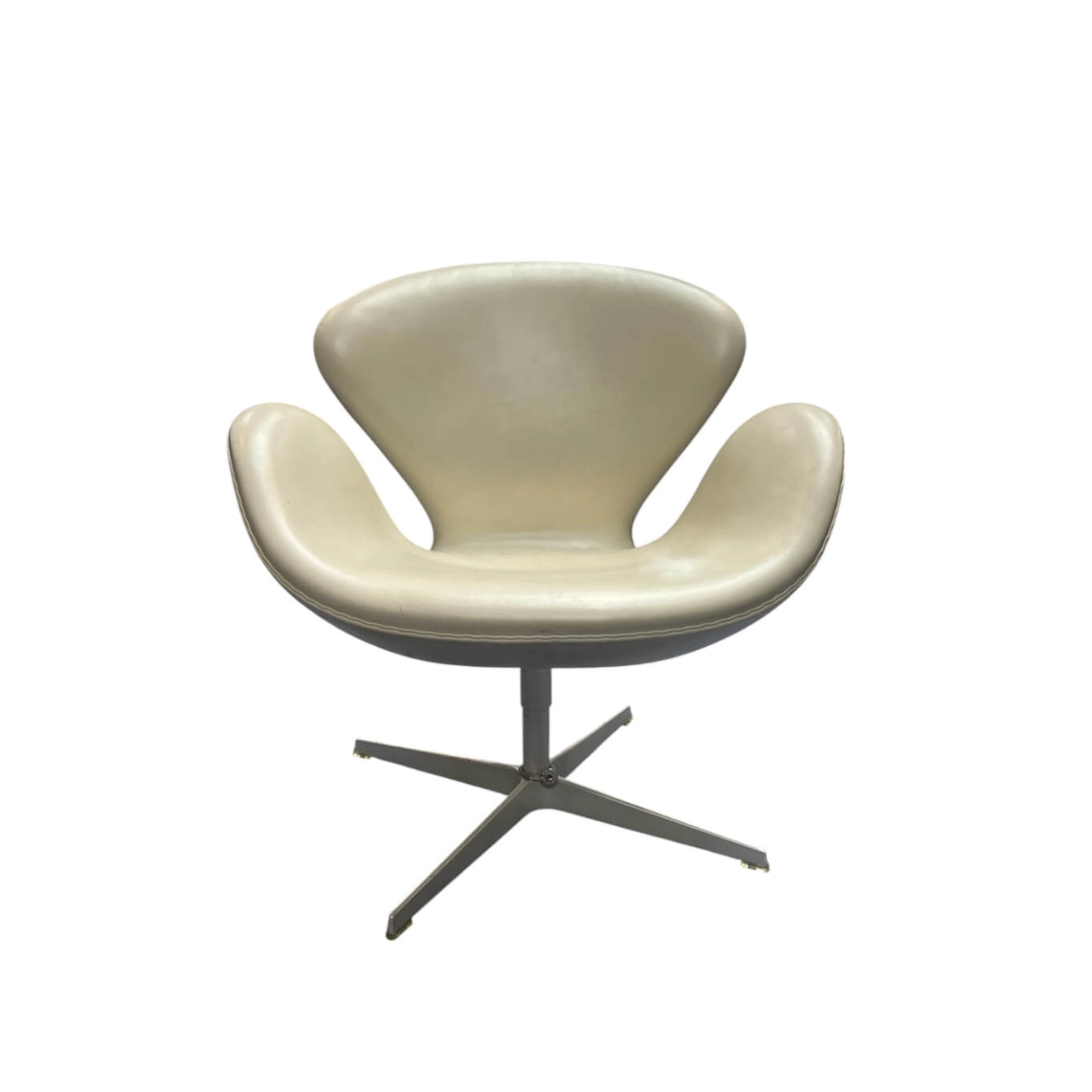
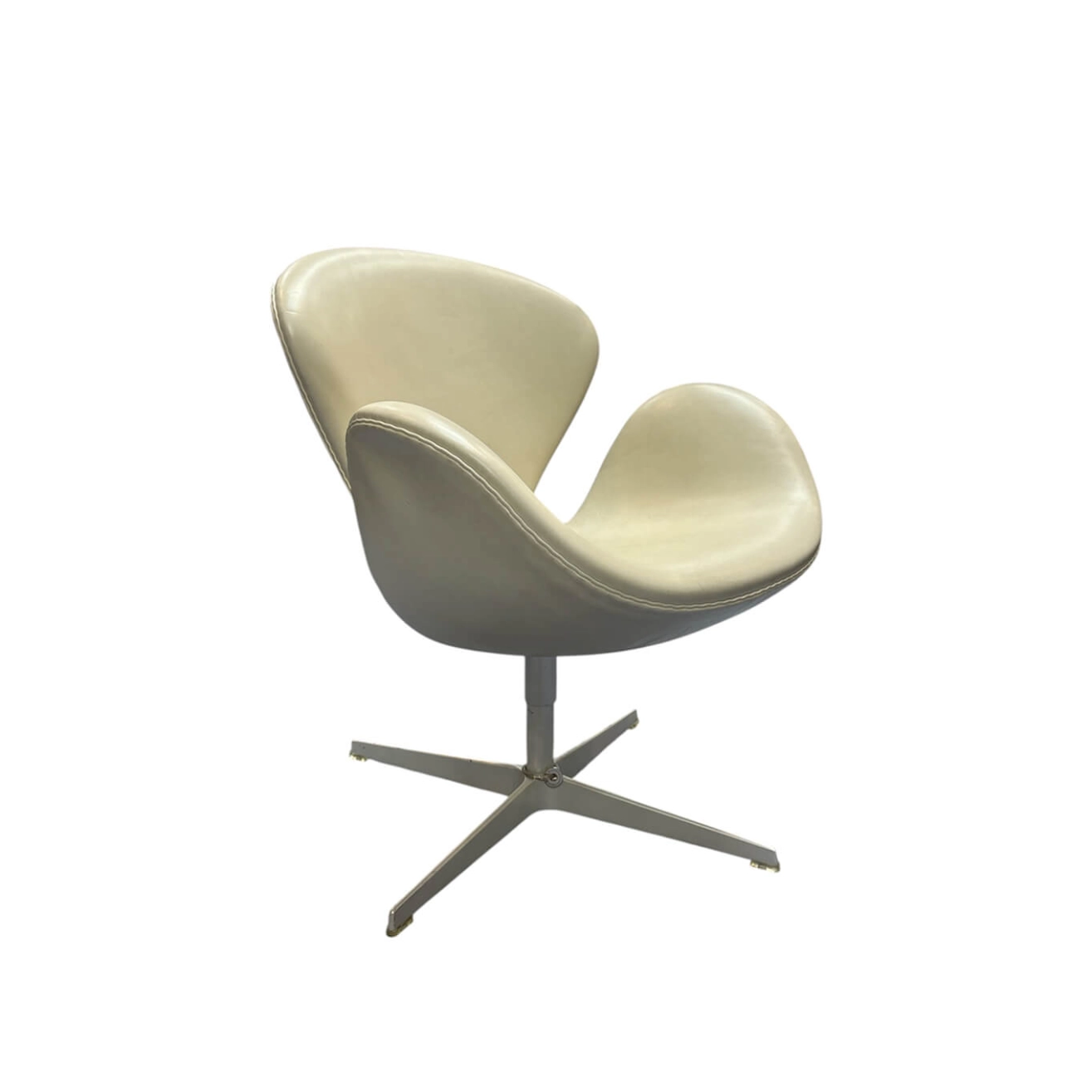
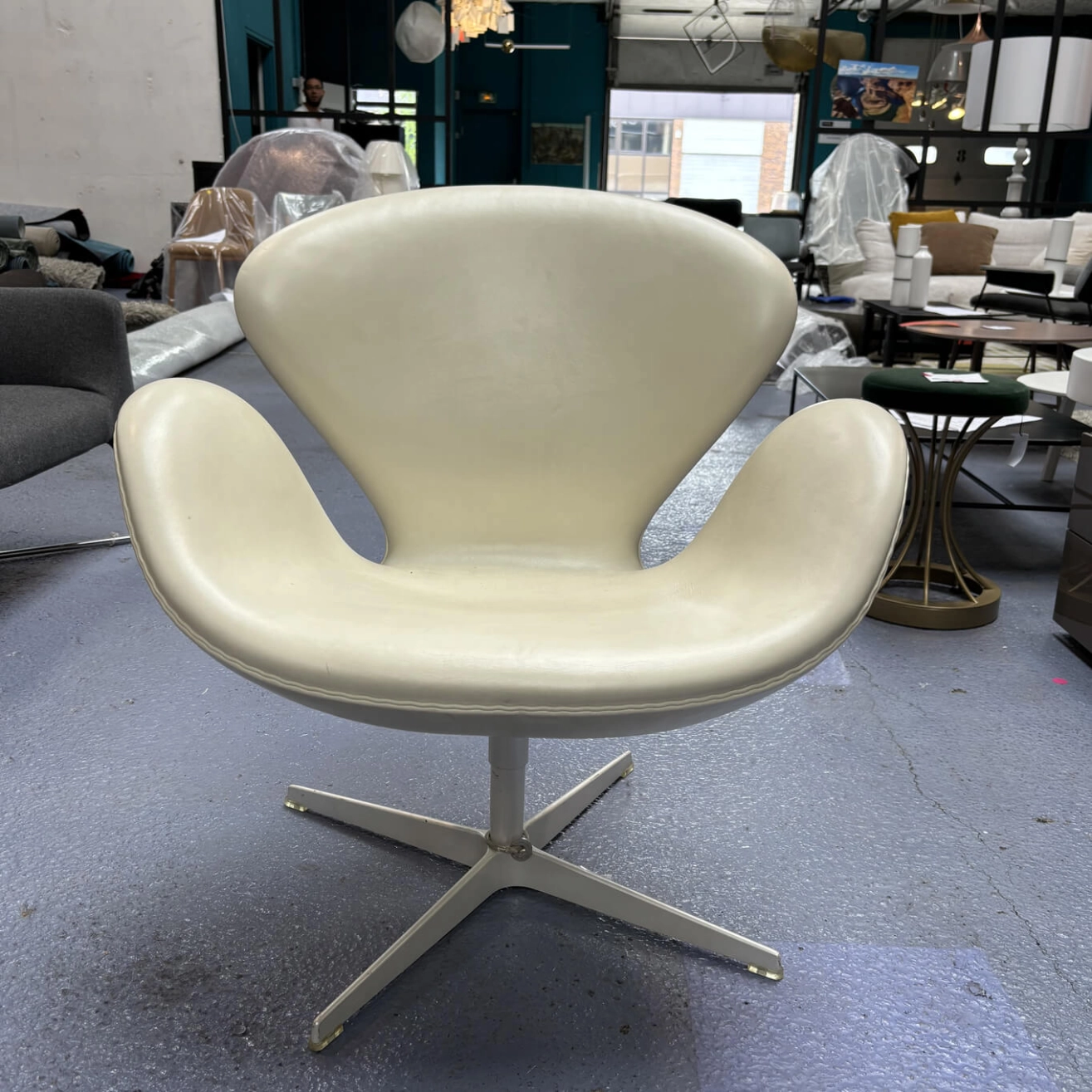
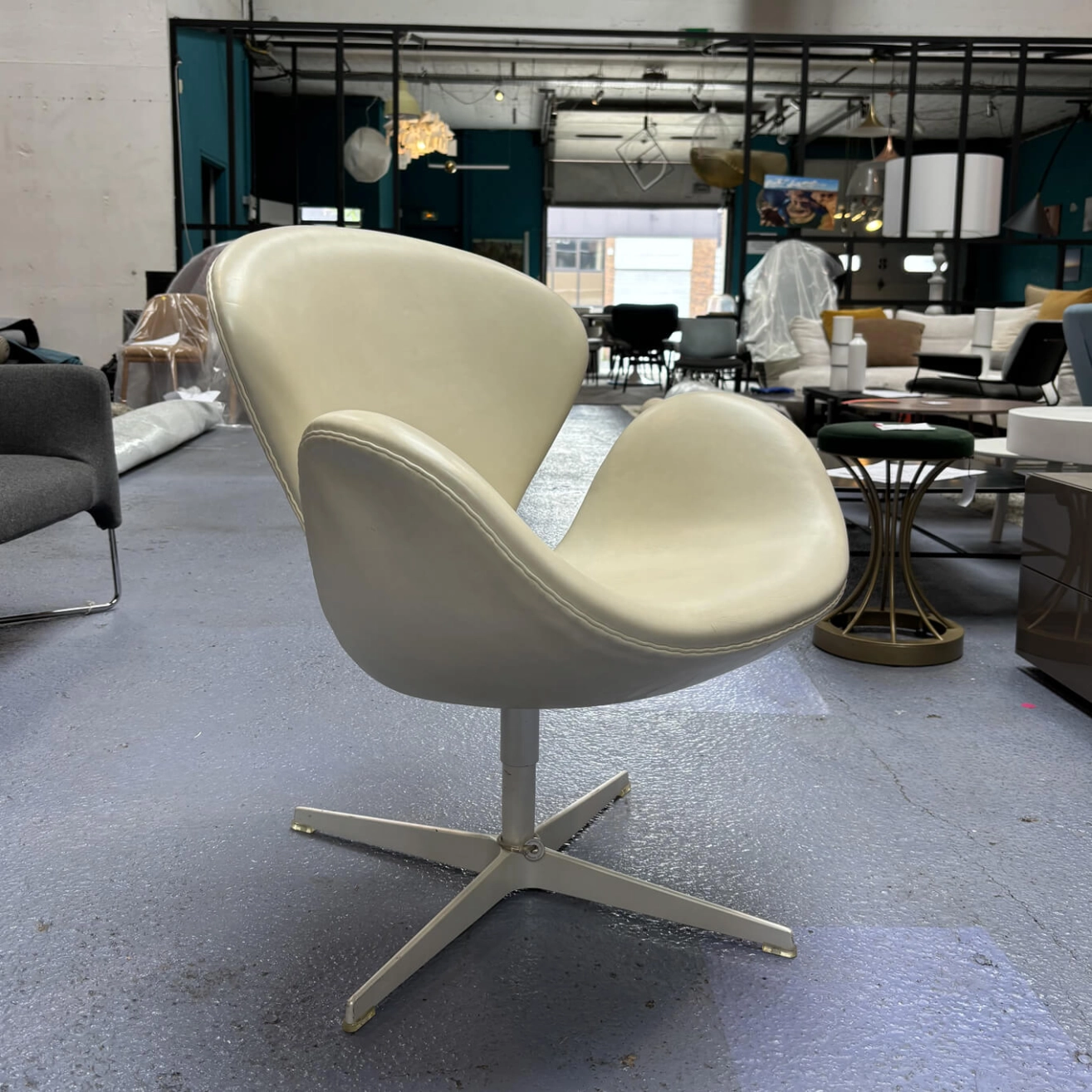
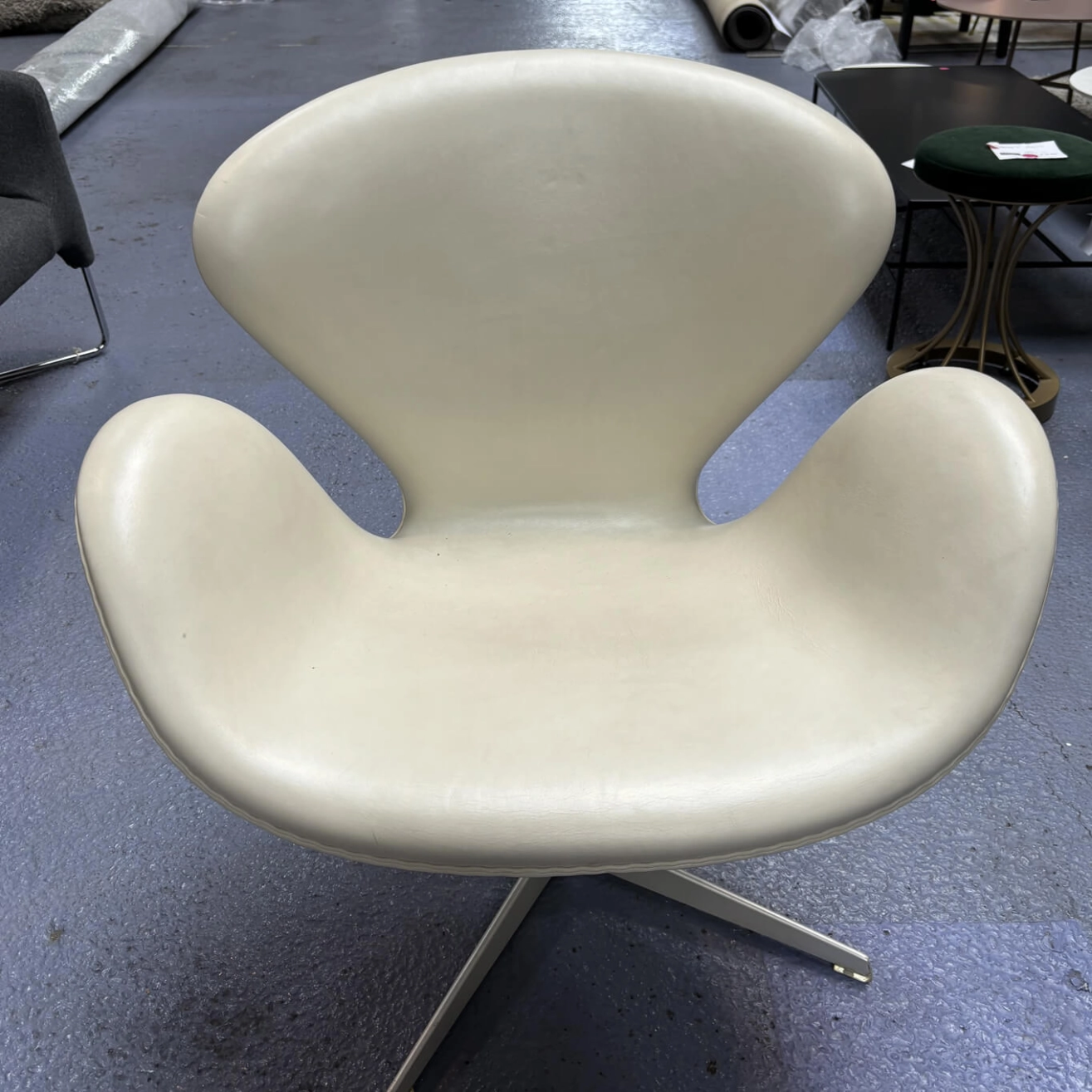
Born in Copenhagen in 1902, Arne Jacobsen trained as a mason at the Technical College in Copenhagen, before studying architecture at the Royal Danish Academy of Fine Arts, where he graduated in 1927. He initially worked for Paul Holsoe, an architect, before founding his own practice in 1930. One of his significant creations was the Bellavista apartment block in Klampenborg (1933-1934), which earned him the nickname "Danish Le Corbusier." From 1934 onwards, Jacobsen worked closely with Fritz Hansen, a company he was particularly proud of. His furniture can be found in museums and hotels worldwide. Jacobsen was a key figure in the Danish functionalist movement, advocating for rational, functional architecture. He also laid the groundwork for Scandinavian organic modernism. The 1950s were among Jacobsen's most productive years. In 1952, he designed the Ant Chair for a major pharmaceutical company, which remains one of Denmark's best-selling furniture pieces. One of its variations, the Series 7 chair or 3107, was also a commercial success. In 1958, one of his most significant projects began: the design and fitting-out of the SAS Royal in Copenhagen. This project produced the iconic Egg and Swan armchairs, along with the AJ lamps, all characterized by their elegant, timeless design. Arne Jacobsen's legacy is still very much present in Denmark, where many buildings, houses, theatres, schools, and hotels bear his signature. Internationally, his greatest achievement was the design of St Catherine's College, Oxford, which gave rise to the famous Oxford chair. Fritz Hansen continues to produce Jacobsen's pieces, which have become design classics. His influence on Scandinavian design is still evident today.

Founded in 1872 in Denmark by the Danish carpenter Fritz Hansen, the brand of Scandinavian furniture Fritz Hansen produces designer furniture, contemporary chairs, iconic armchairs, dining tables and designer lighting that are now international benchmarks. He and his son established the quality standards that still apply at Fritz Hansen today. As in 1872, Fritz Hansen’s work remains guided by the philosophy that a single well-designed piece of furniture can transform a room and enhance the well-being of its owners
Learn more
Delivery possible within 48 hours for in-stock products.