- Products
- Spaces
- Brands
- Sales
- Second Life
- New products
- About
- Contact us
- Our CSR commitments
- Our Showrooms
- Request a quote
- Professional space
- General catalogue

Enjoy all the benefits we offer and track your purchases in the order history.
RegisterYou will receive a link by email to reset your password.
- Home
- ▸
- designers
Shiro Kuramata
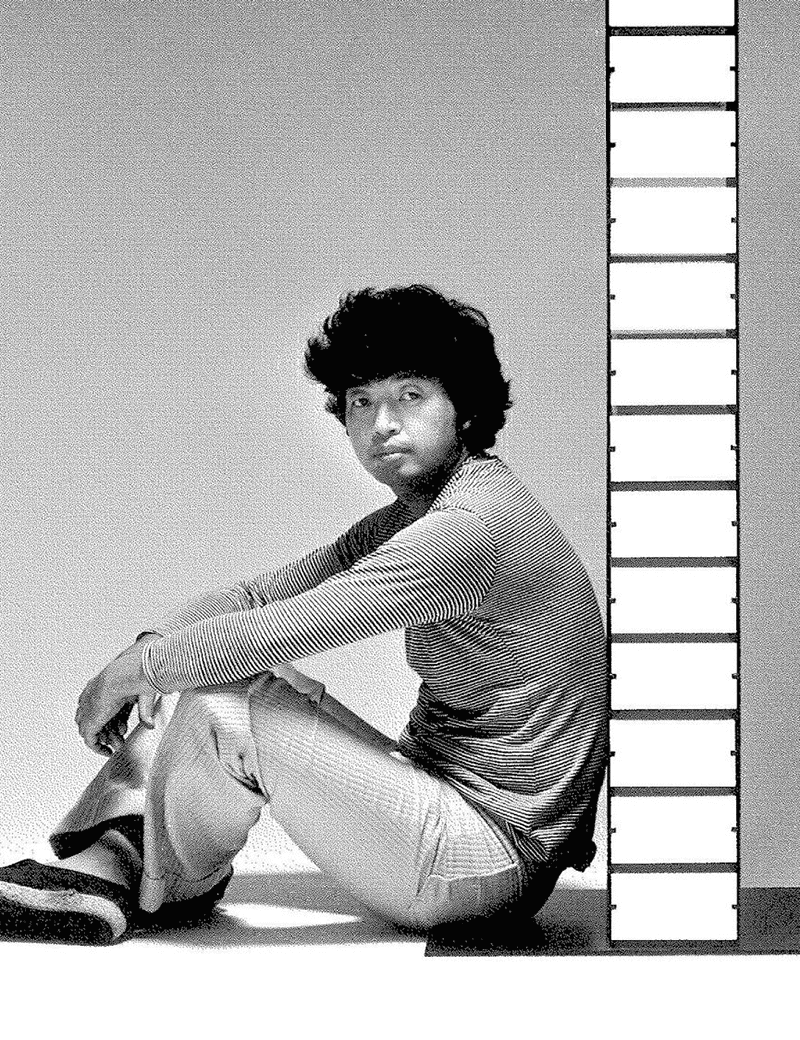
Shiro Kuramata (1934–1991) was a Japanese designer known for his innovative creations that left a significant mark on modern design. His work is characterized by a subtle fusion of minimalism and poetry, combining modern materials such as glass, metal, and acrylic with an aesthetic inspired by Japanese tradition. Kuramata sought to create objects that were both functional and artistic, playing with perceptions of lightness, transparency, and emptiness.
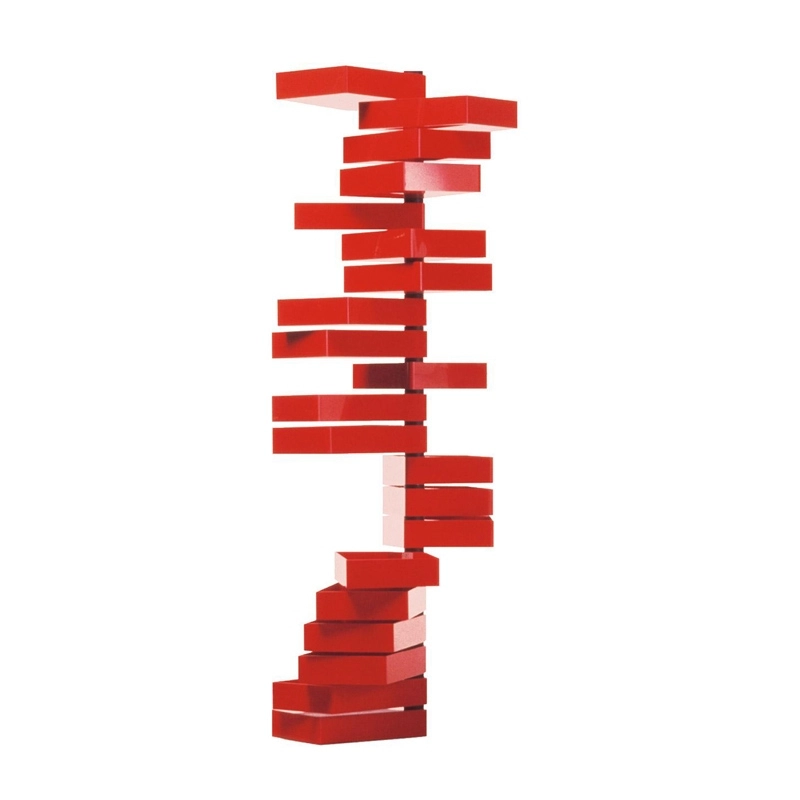
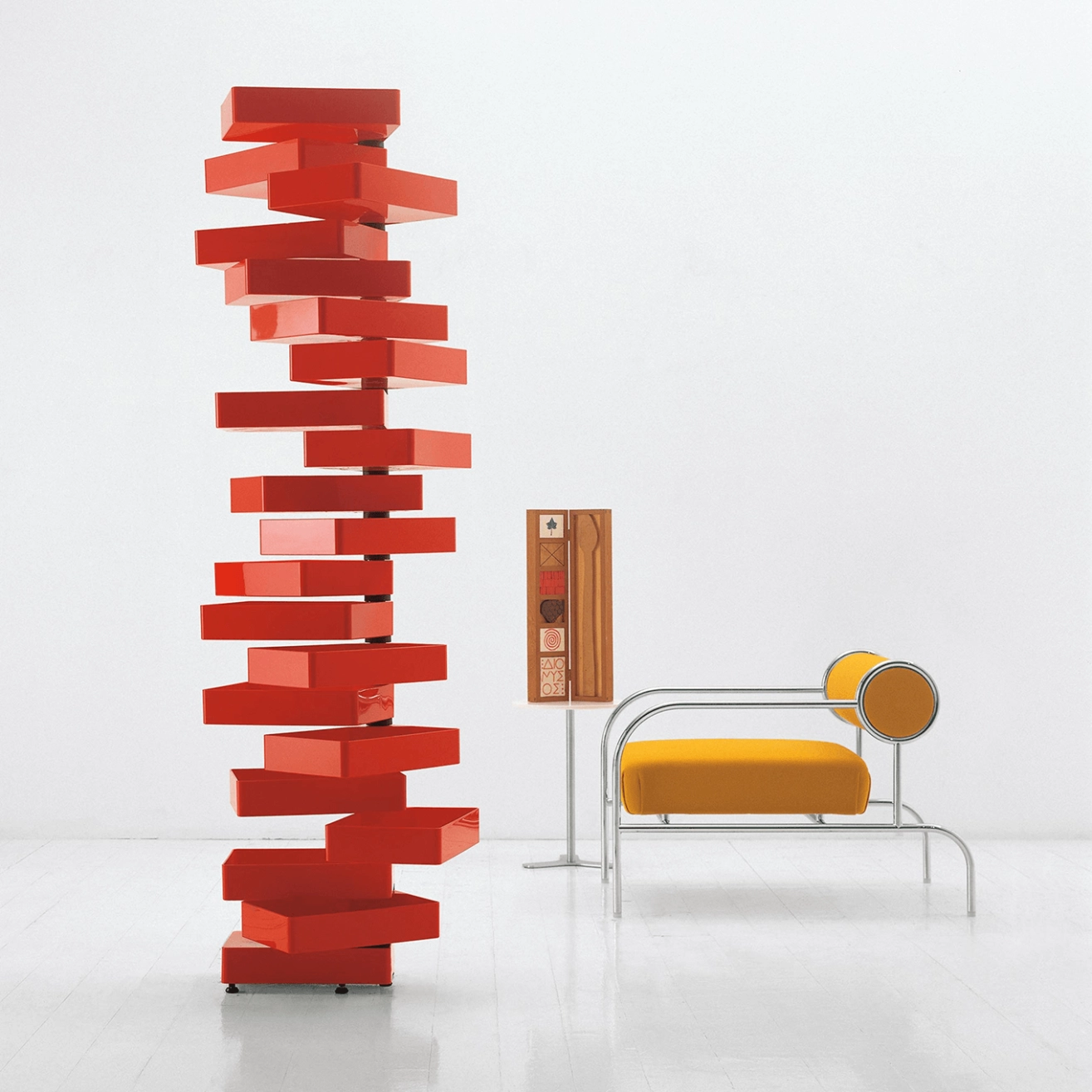
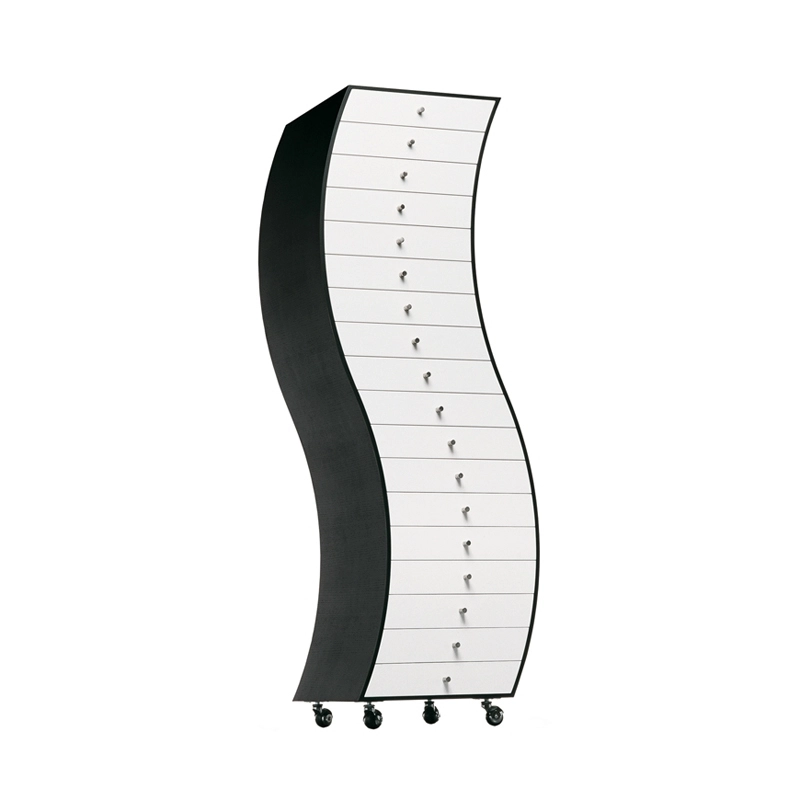
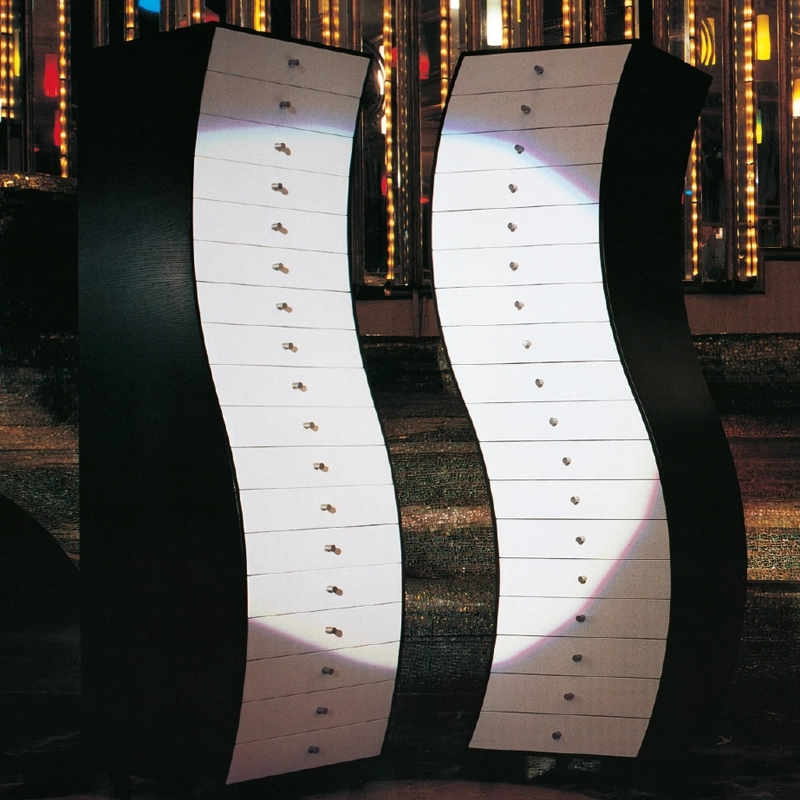
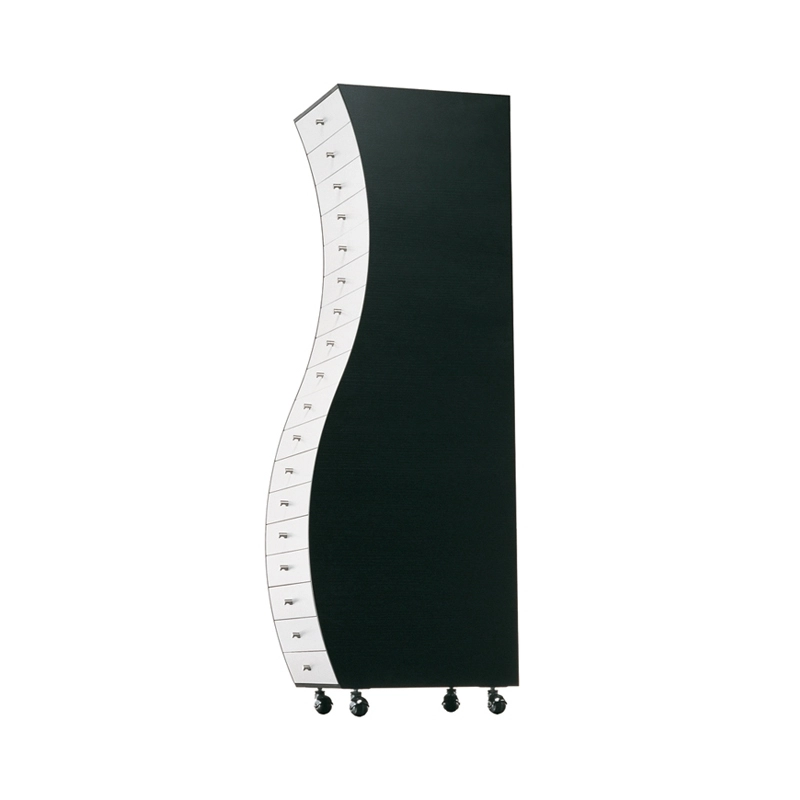
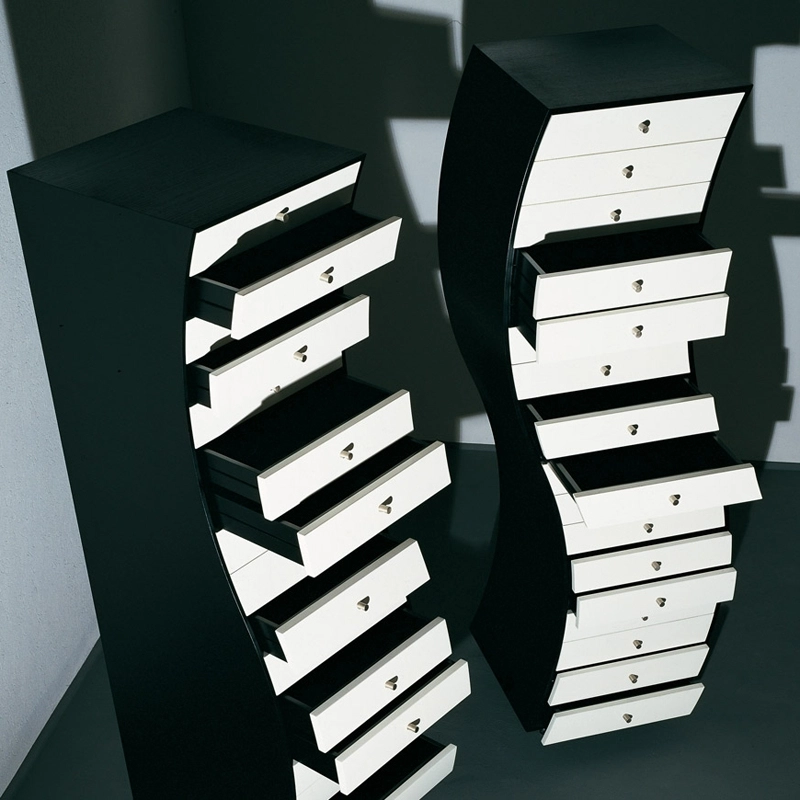
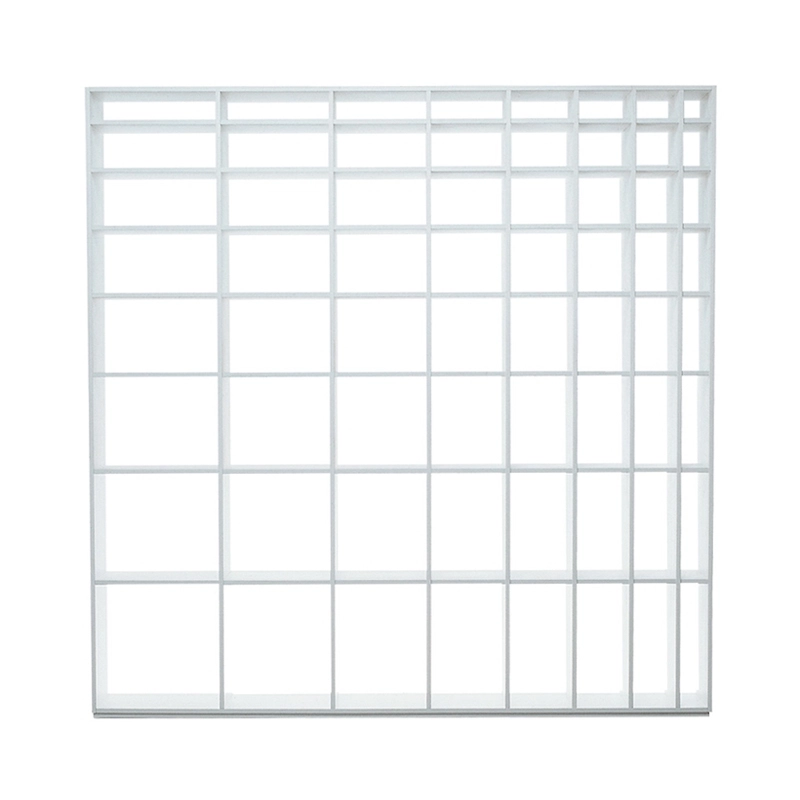
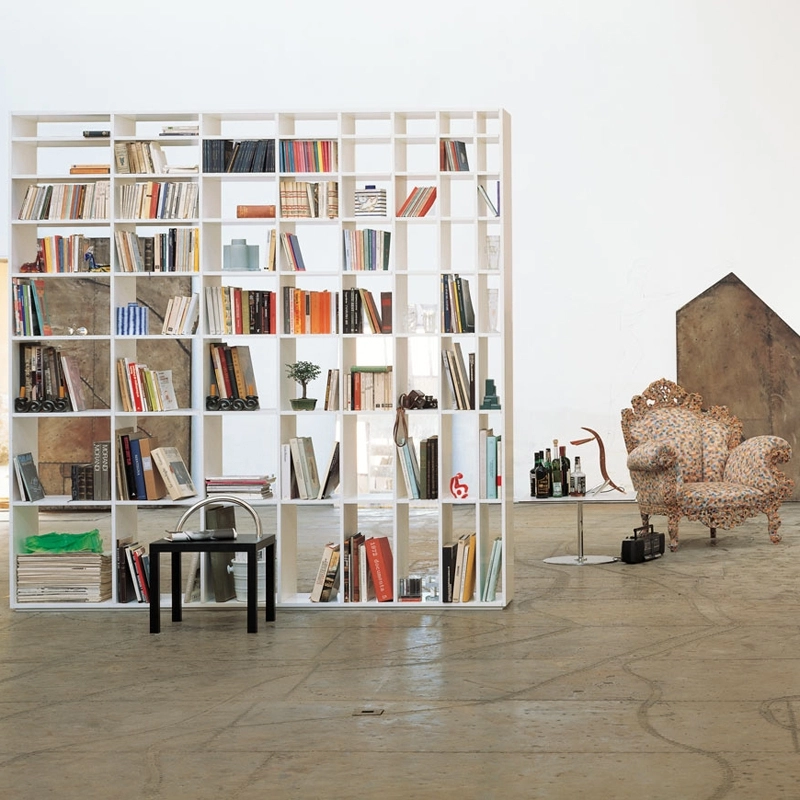
One of his most famous collections, Progetti Compiuti for Cappellini, perfectly illustrates his design vision. In this series of storage furniture, Kuramata used materials such as glass and metal while adopting a very minimalist approach. The pieces are sculptural, incorporating plays of transparency and reflection that give the impression that the furniture is floating in space. These pieces are not merely utilitarian but true works of art, with simple lines and a strong sense of visual balance.
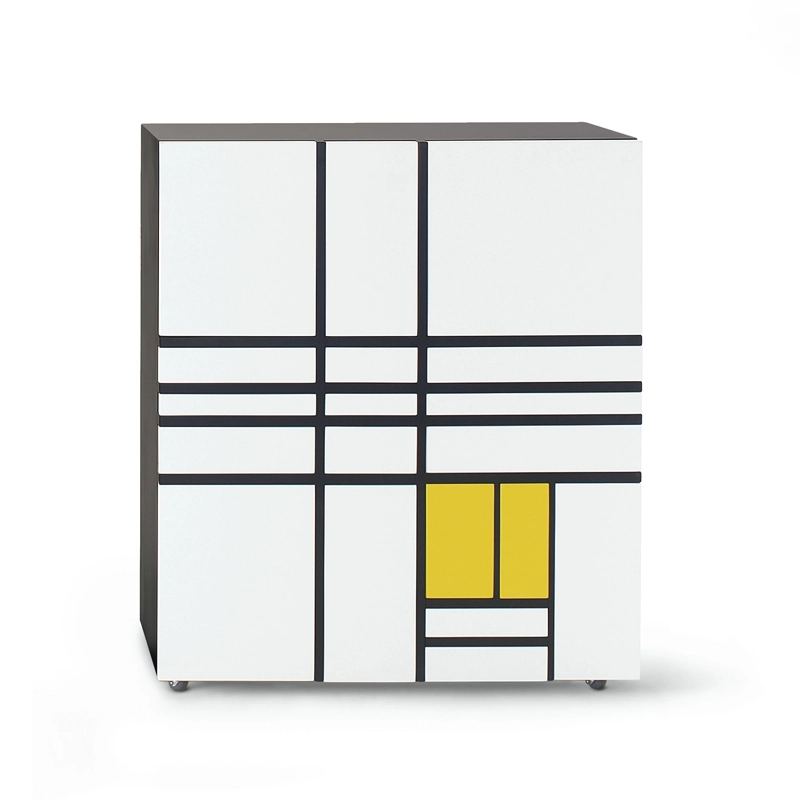
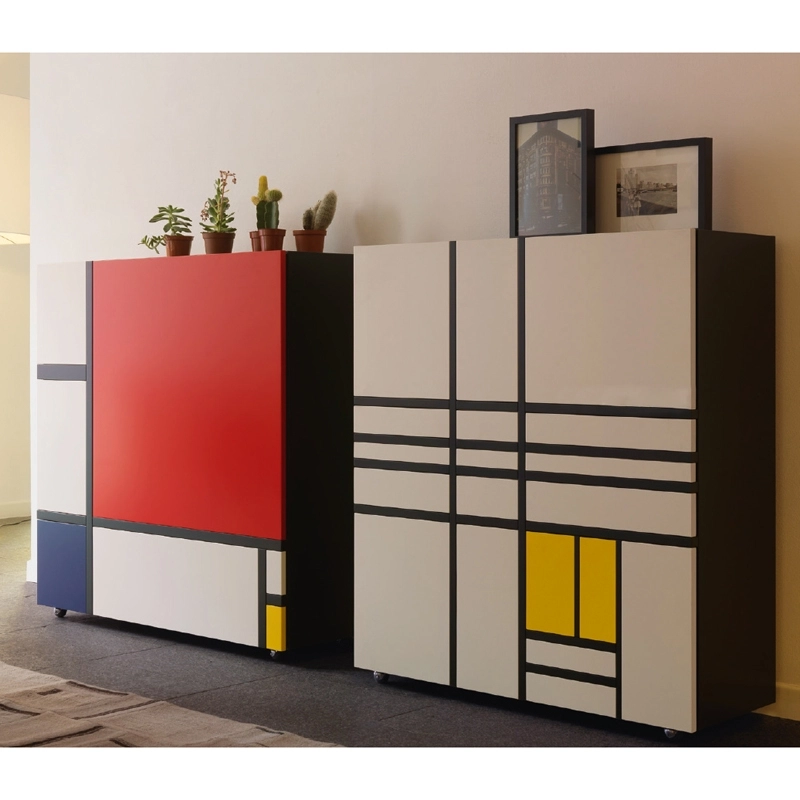
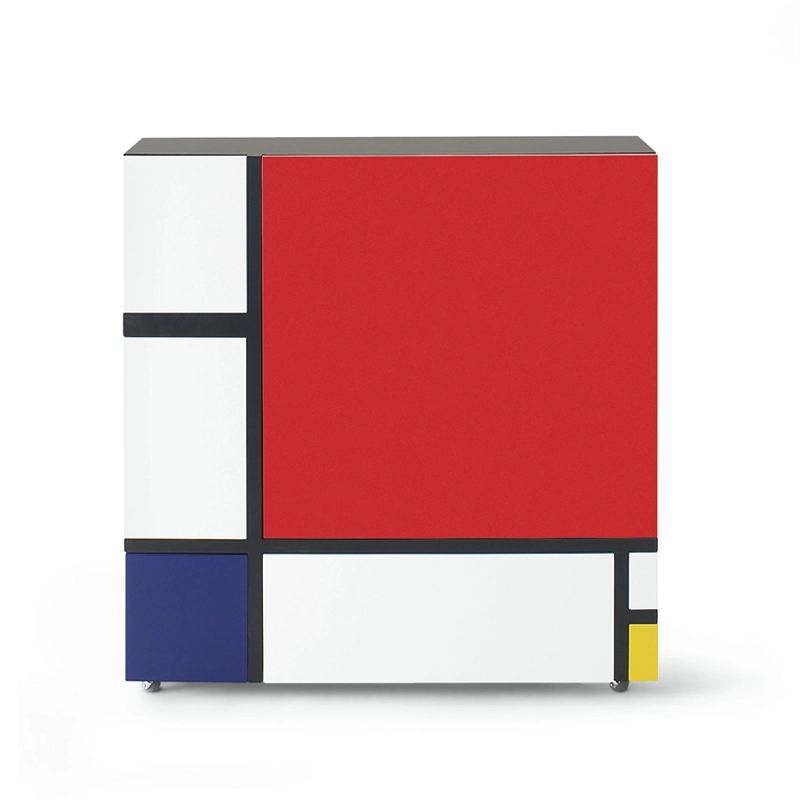
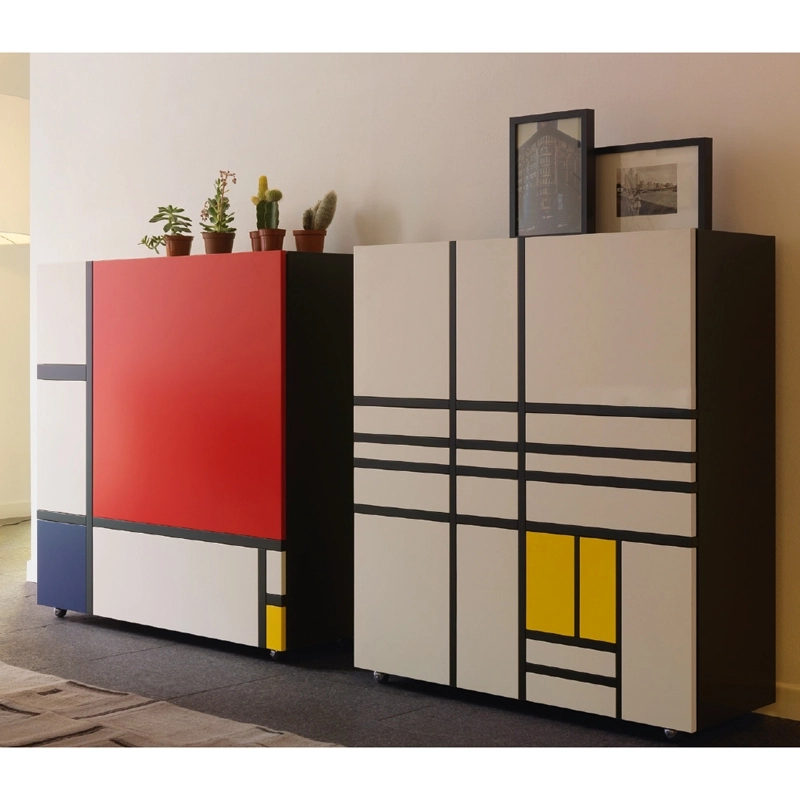
Another iconic work is the Homage to Mondrian storage unit (1987), a reinterpretation of Piet Mondrian’s art through furniture design. With its colored panels and geometric forms, this piece becomes a tribute to abstract art while remaining functional. By reintroducing art into everyday objects, Kuramata created a piece that invites contemplation while fulfilling storage needs.
Kuramata’s approach is rooted in a deep reflection on the relationship between art and design. His furniture pieces are timeless creations that challenge the boundary between utilitarian objects and works of art. Through his innovative use of materials and his ability to elevate function through aesthetics, Shiro Kuramata left a lasting imprint on the world of contemporary design.