



Enjoy all the benefits we offer and track your purchases in the order history.
RegisterYou will receive a link by email to reset your password.


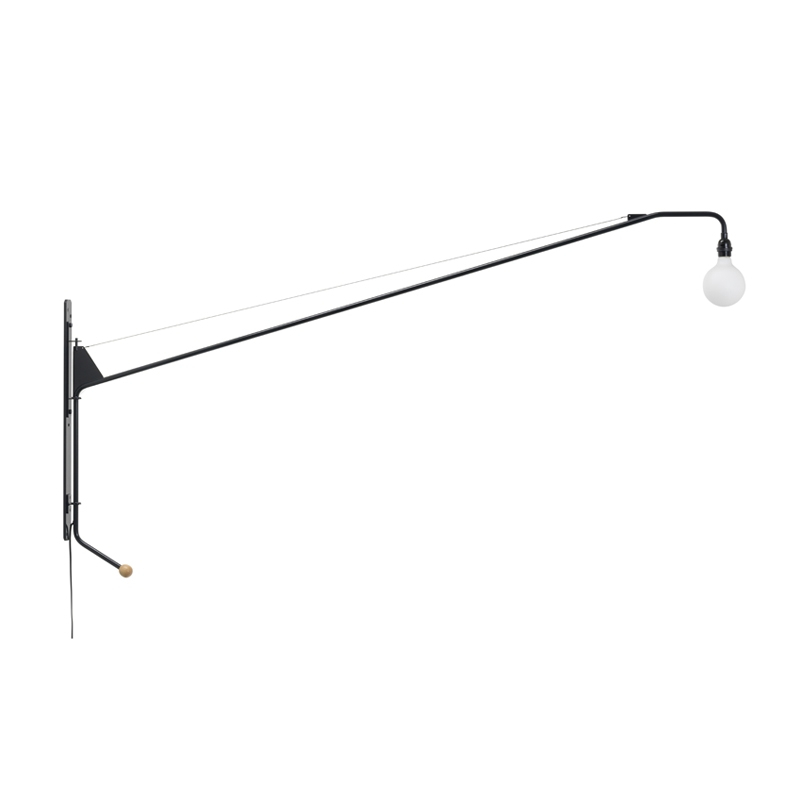
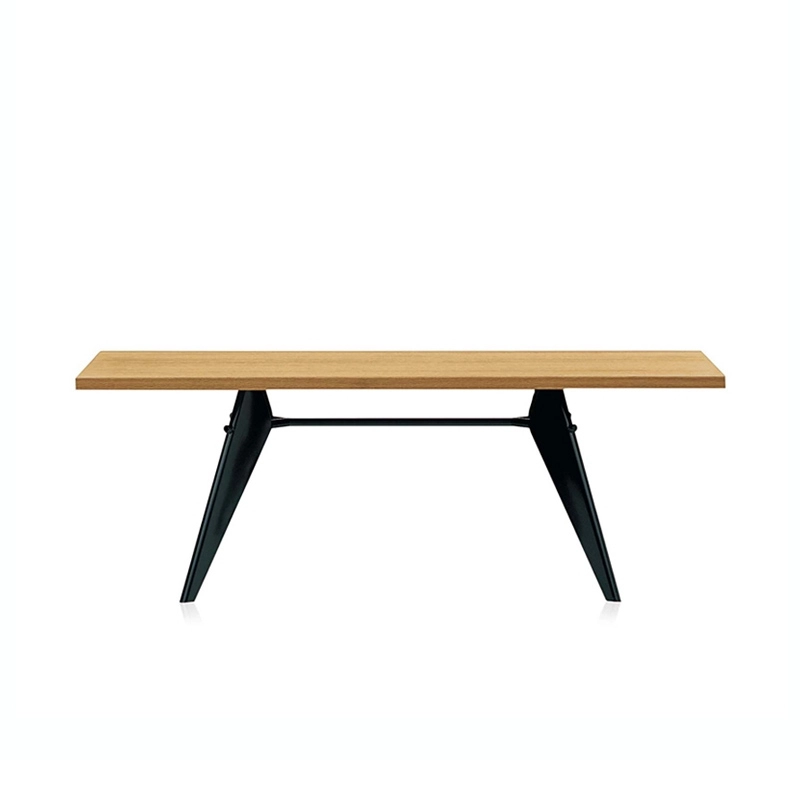
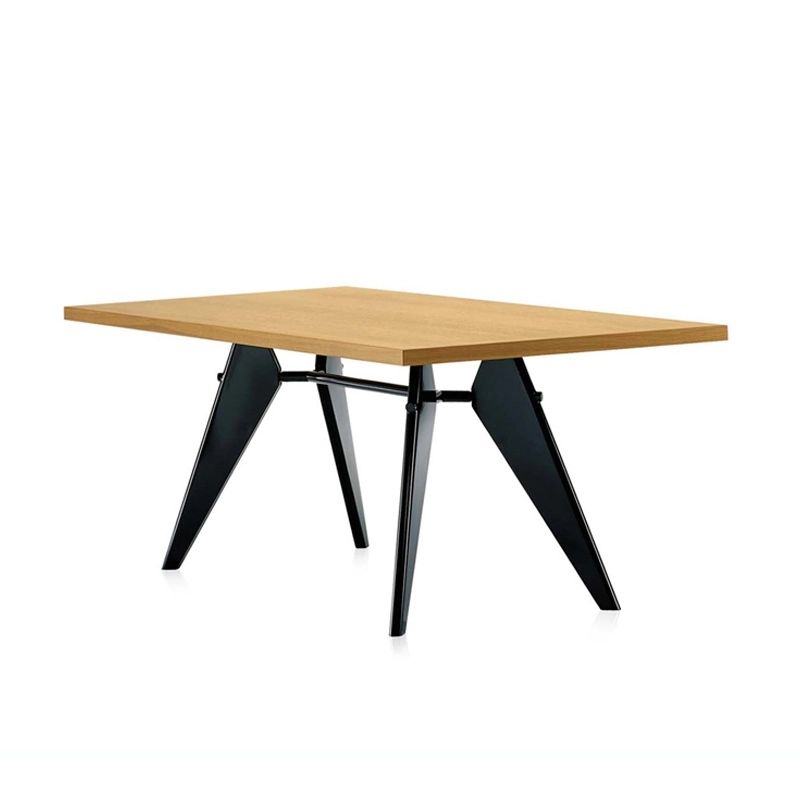
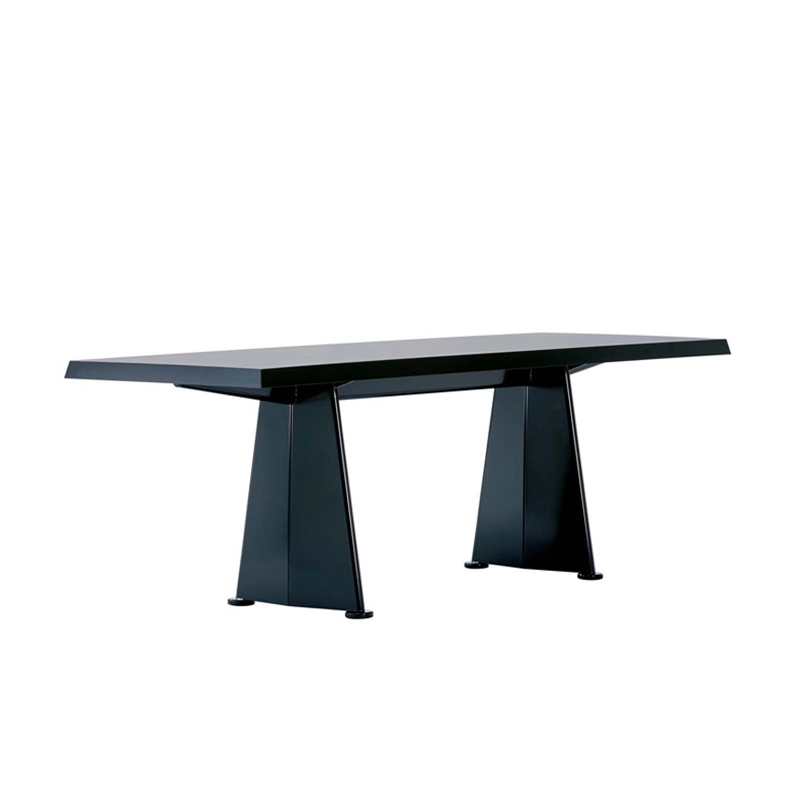
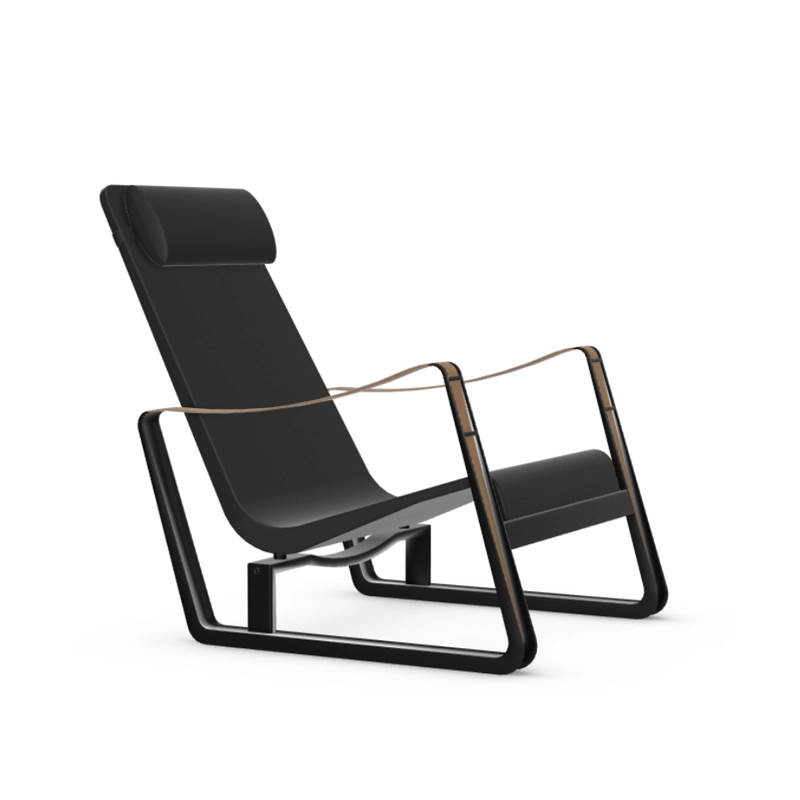
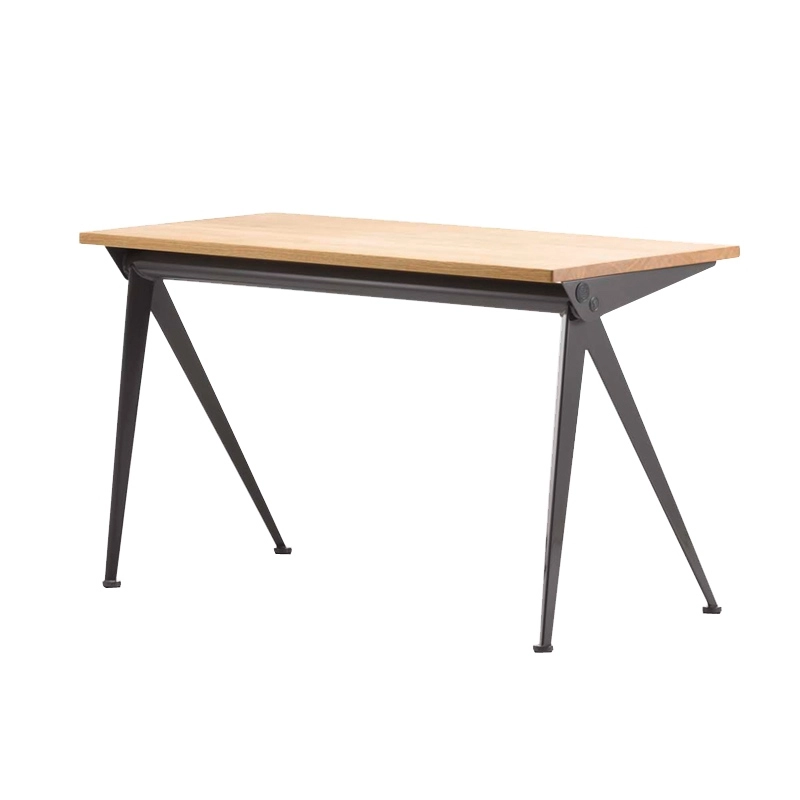
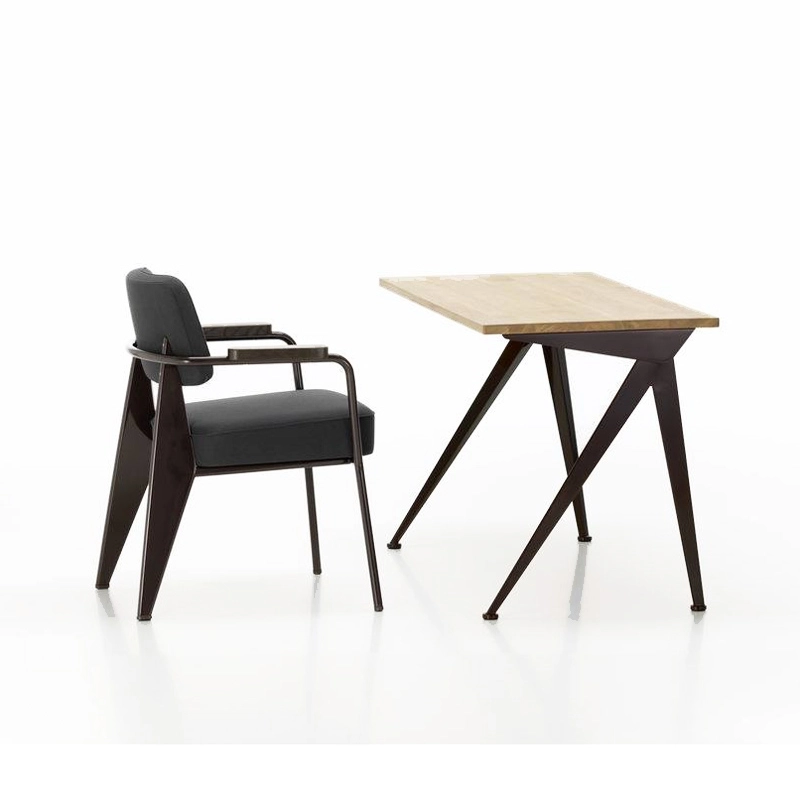
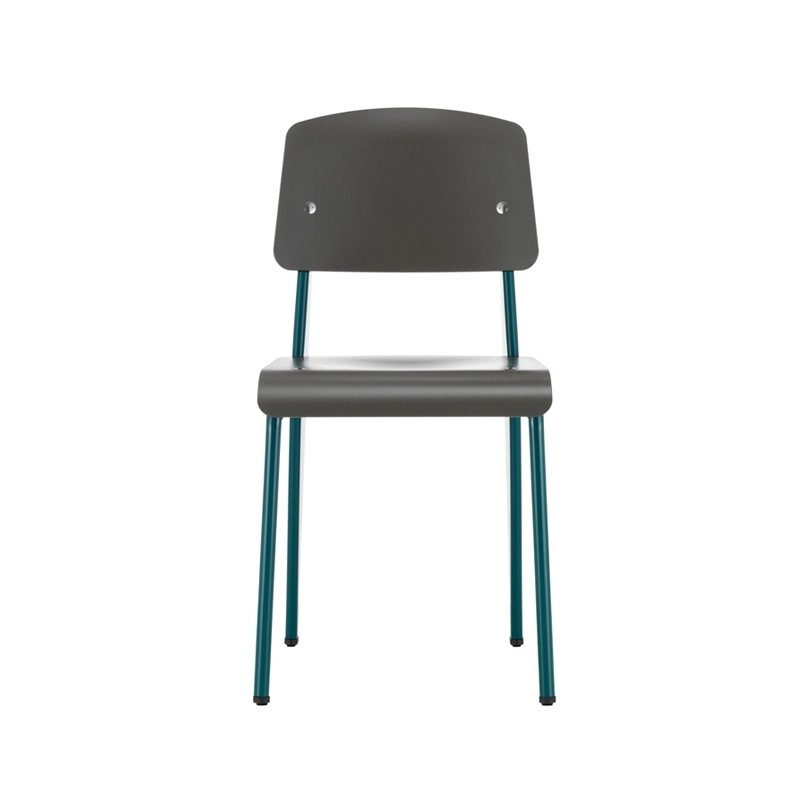
Born in Paris in 1901, Jean Prouvé apprenticed as a silversmith with Emile Robert in Enghien and Szabo in Paris, before continuing his studies at the Ecole Supérieure de Nancy. From 1923 onwards, he established himself as a builder-designer through a body of architectural and furniture work that advocated an aesthetic of necessity. In 1930, he co-founded the artists' association "Union des Artistes Modernes" (U.A.M.), and in 1931 he created "Les Ateliers Jean Prouvé". It was here that many pieces of furniture were created in the 1930s, as well as the first prefabricated architectural elements. His university furniture, Cité (1931) and Antony (1954), ingeniously manage utilitarian aspects, respect for and economy of material and the demands of mass production. For some years now, Vitra has been reissuing the finest examples of its furniture production. Among his greatest design classics is Antony, a unique armchair. The latter stands out for its surprising structure, which Jean Prouvé combined with a strikingly dynamic form. Another example is the Potence swivel wall lamp designed in 1950 for the "Tropique" house, rightly considered to be the designer's purist masterpiece.

Founded in 1950 by Willi and Erika Fehlbaum, Vitra is an iconic brand of Swiss designer furniture, renowned for its iconic chairs, exceptional armchairs, and contemporary tables. Located near Basel, Switzerland, the company has established itself as a key player in international design through collaborations with renowned designers such as Charles & Ray Eames, Verner Panton, Antonio Citterio, Alexander Girard, and the Bouroullec brothers.
Learn more
Delivery possible within 48 hours for in-stock products.