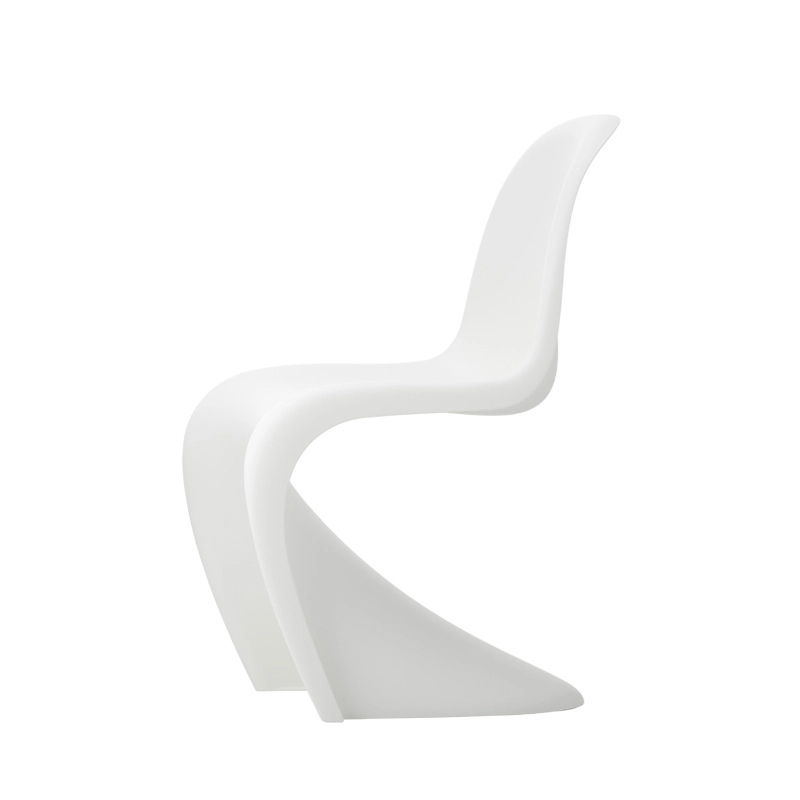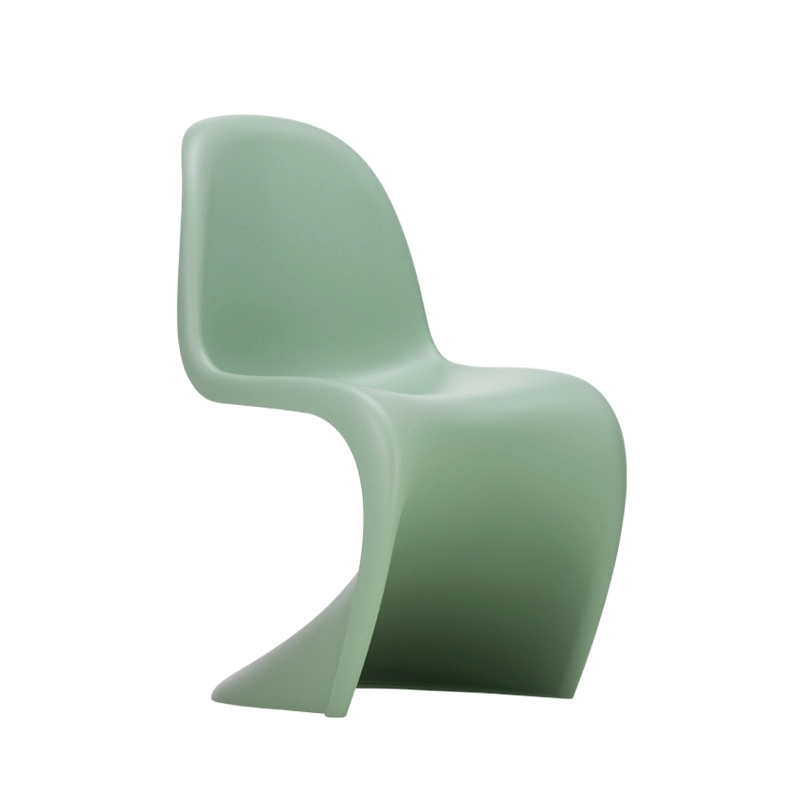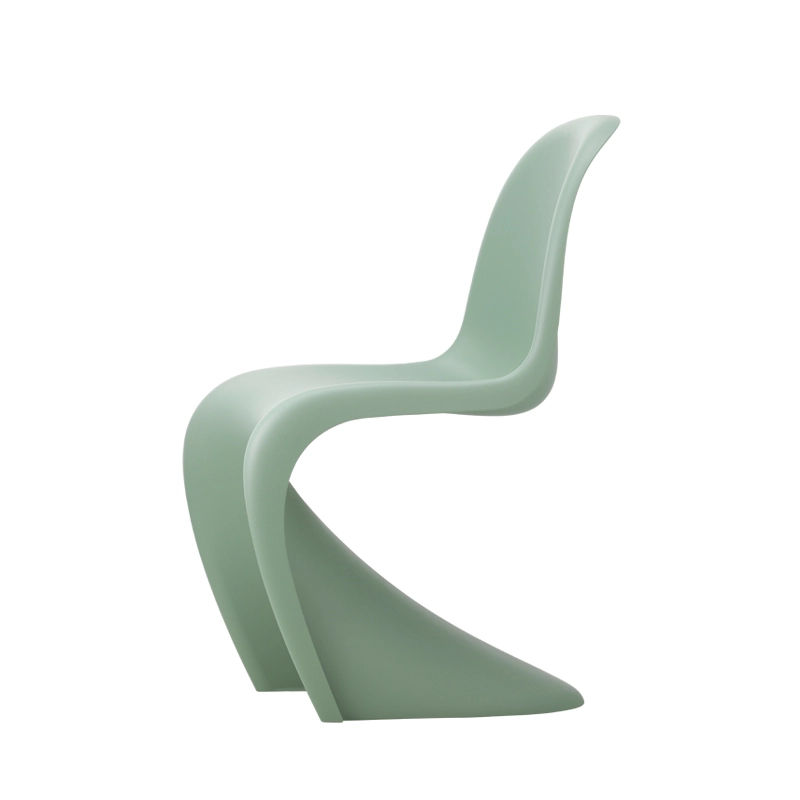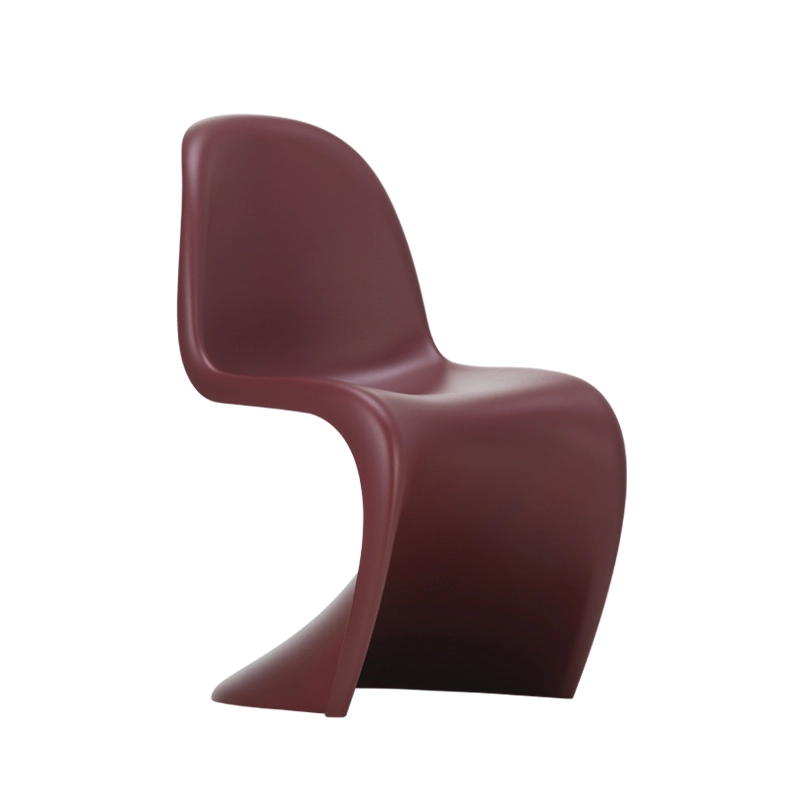


Enjoy all the benefits we offer and track your purchases in the order history.
RegisterYou will receive a link by email to reset your password.


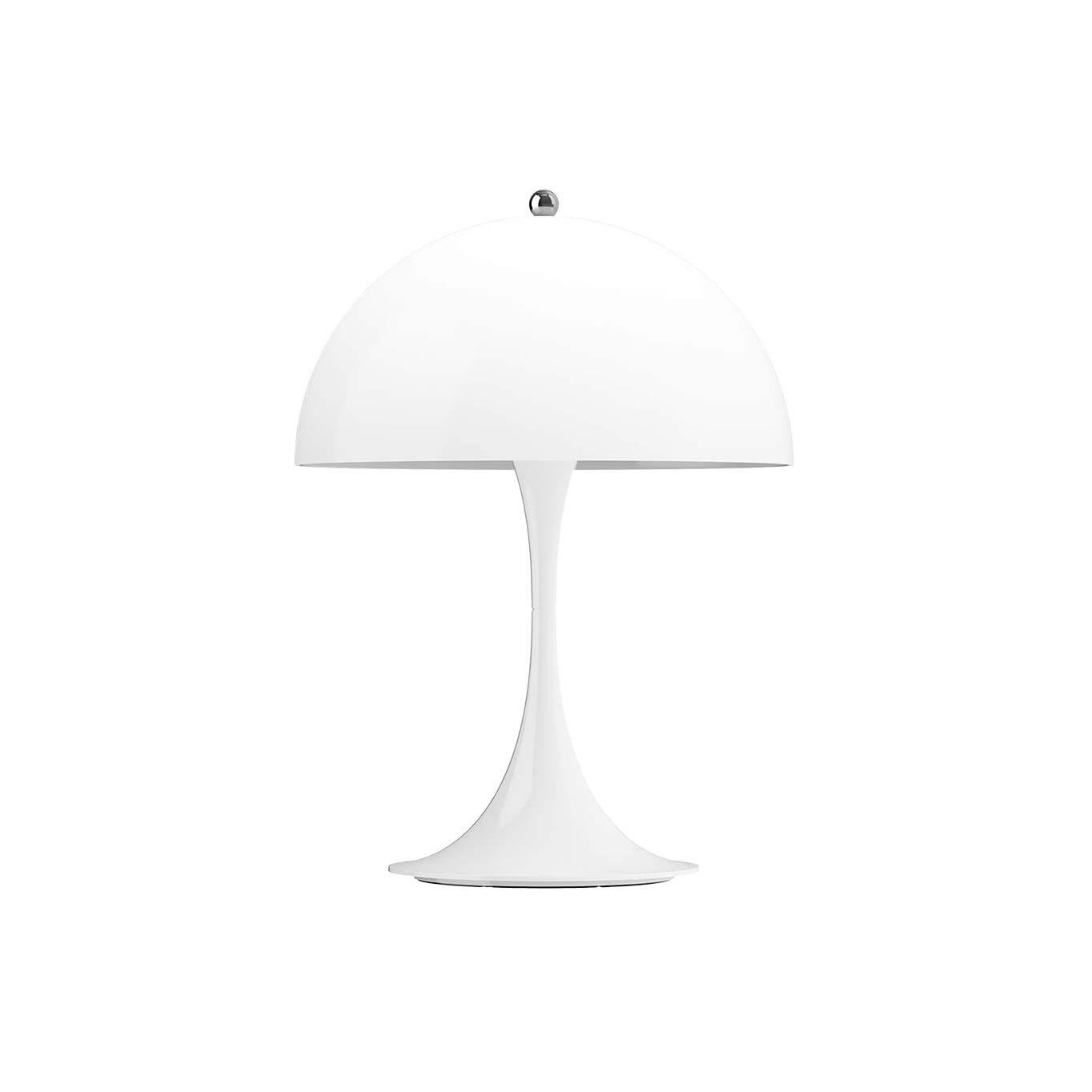
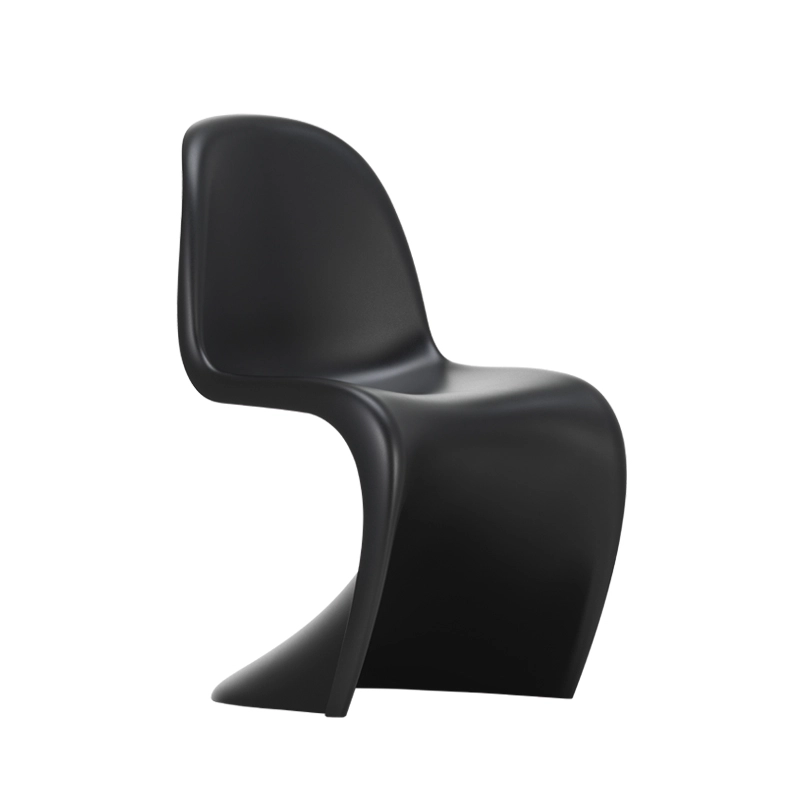
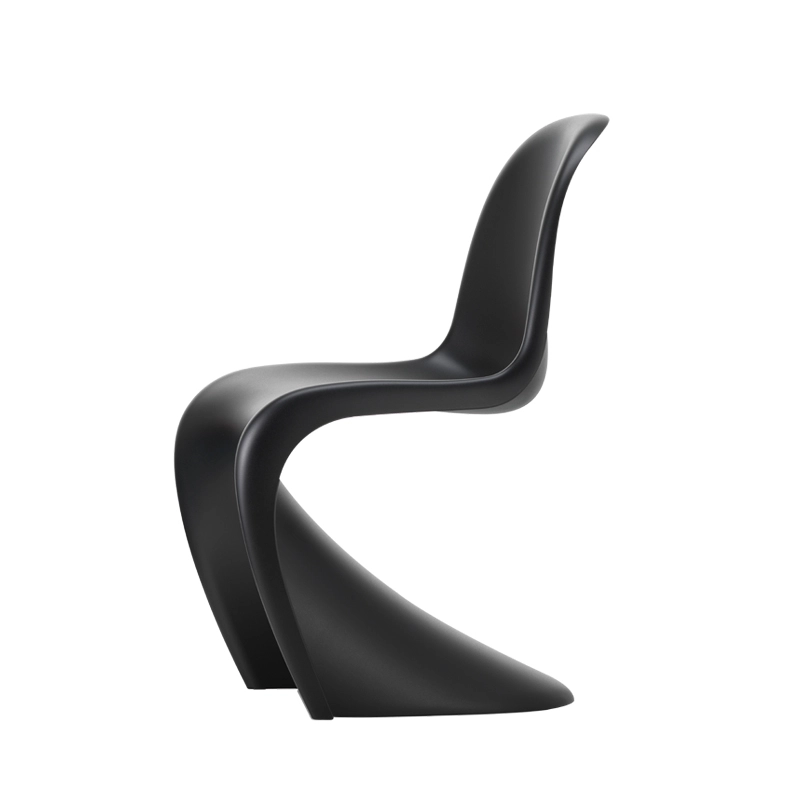
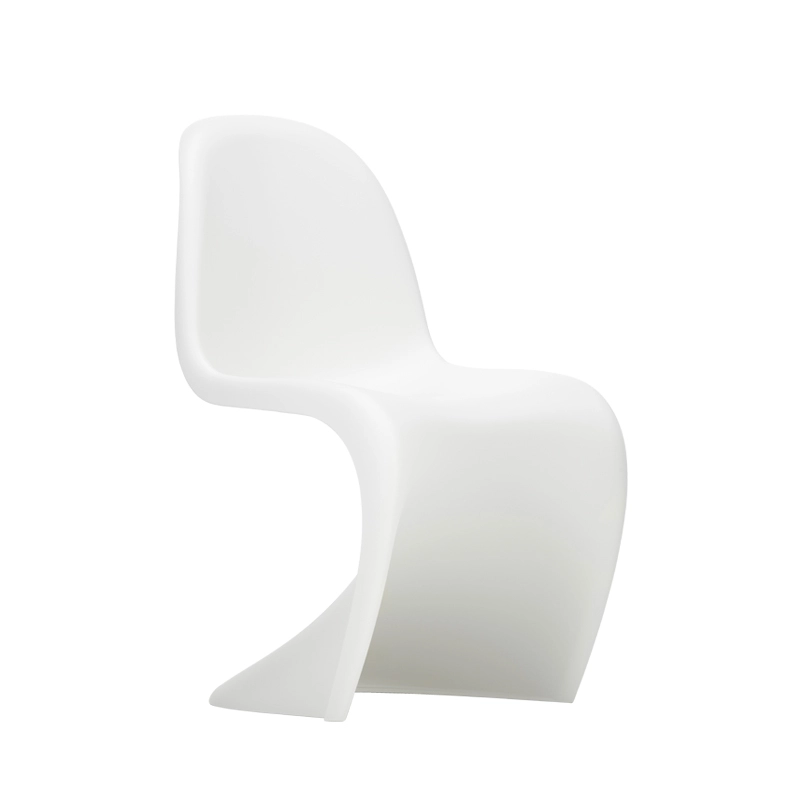
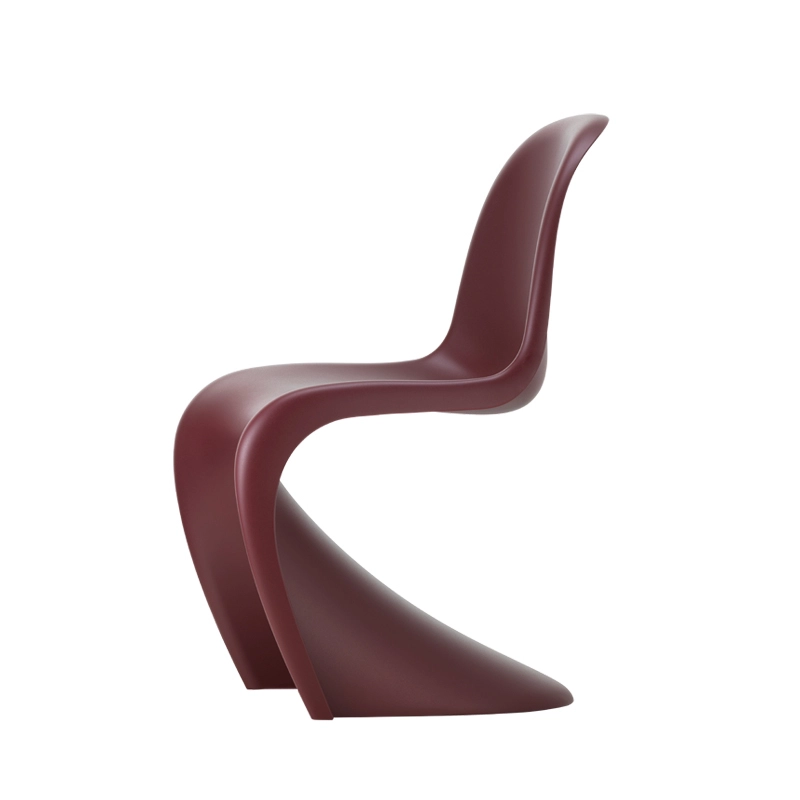
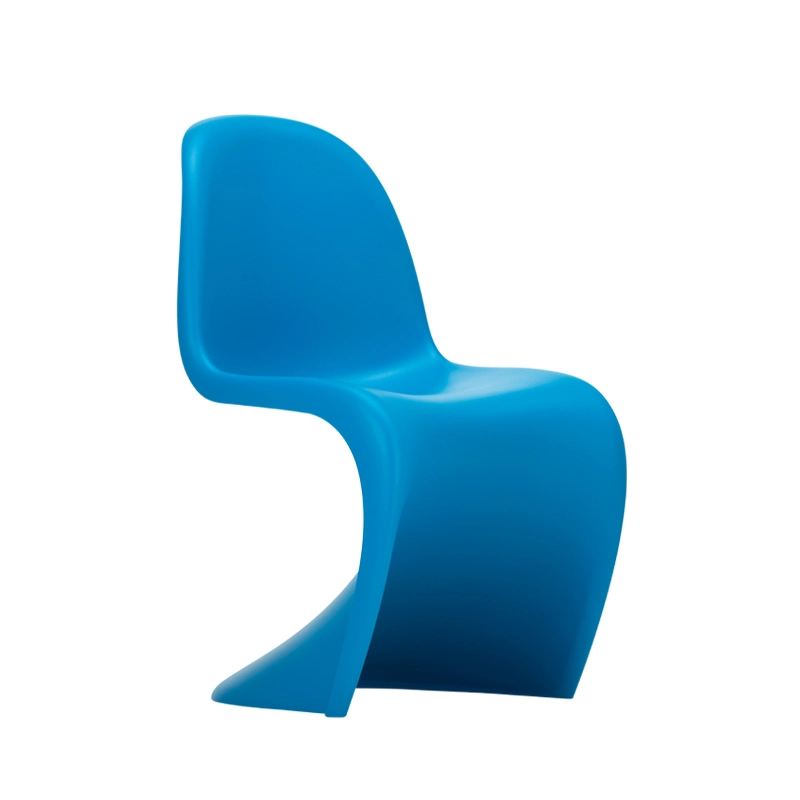
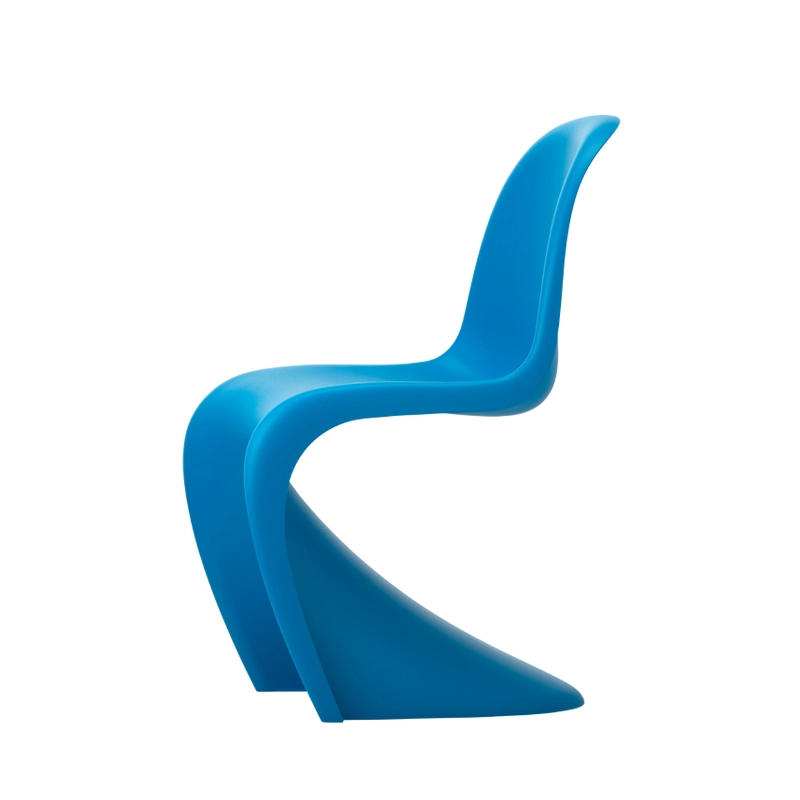
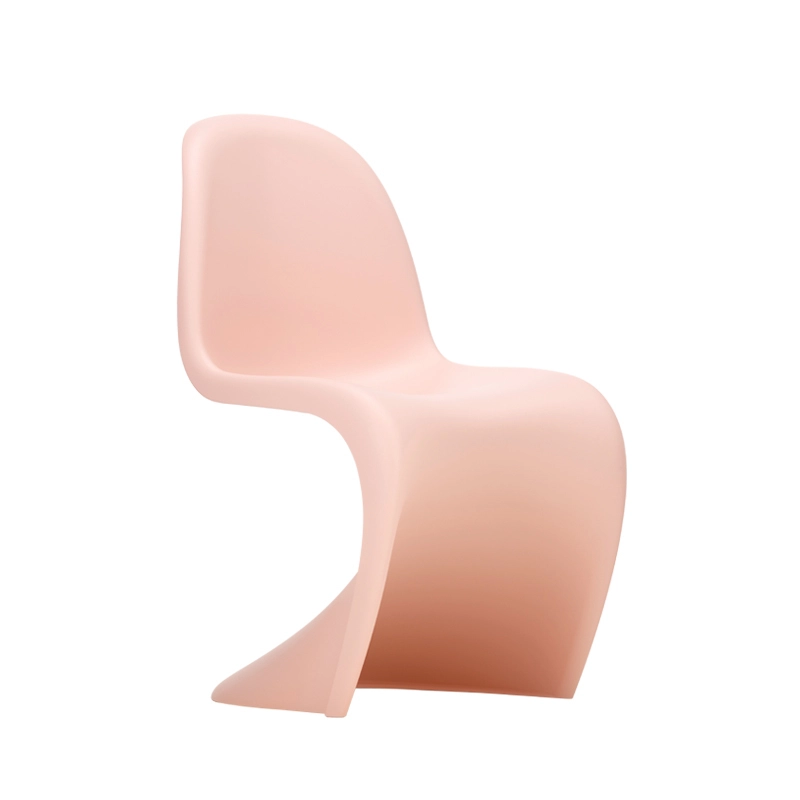
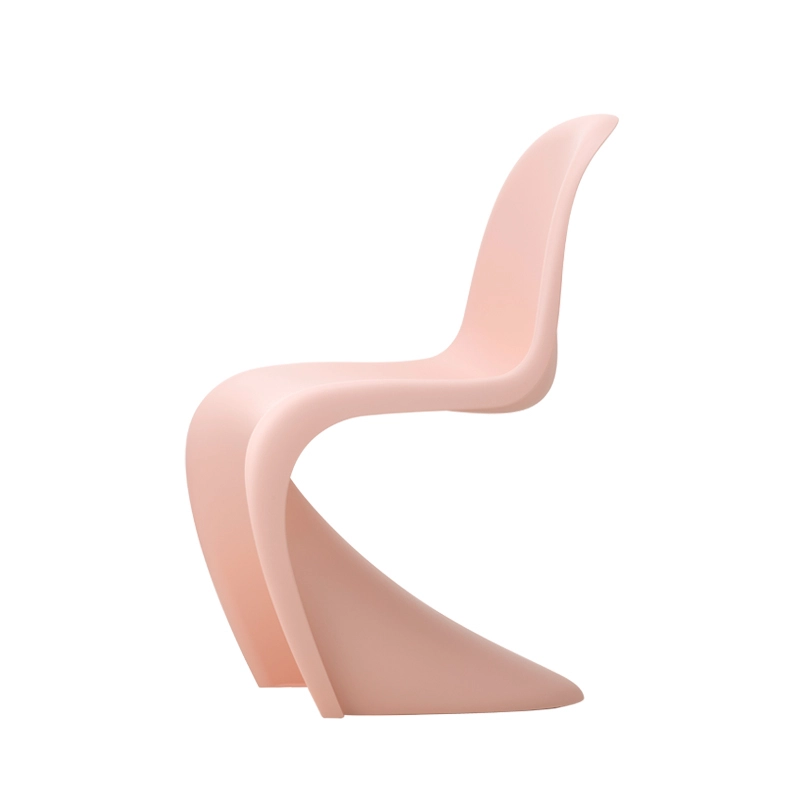
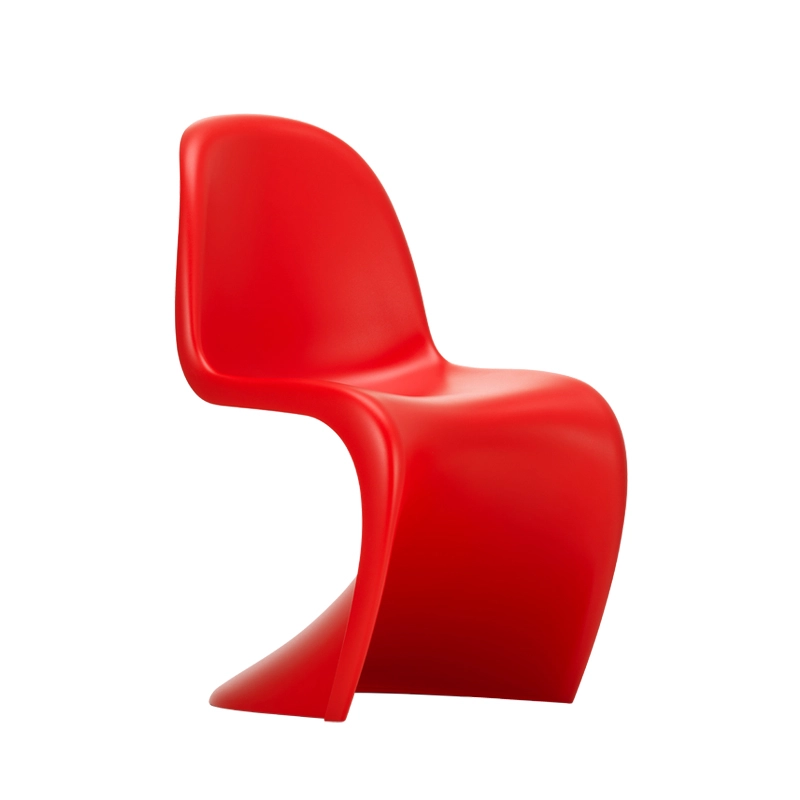
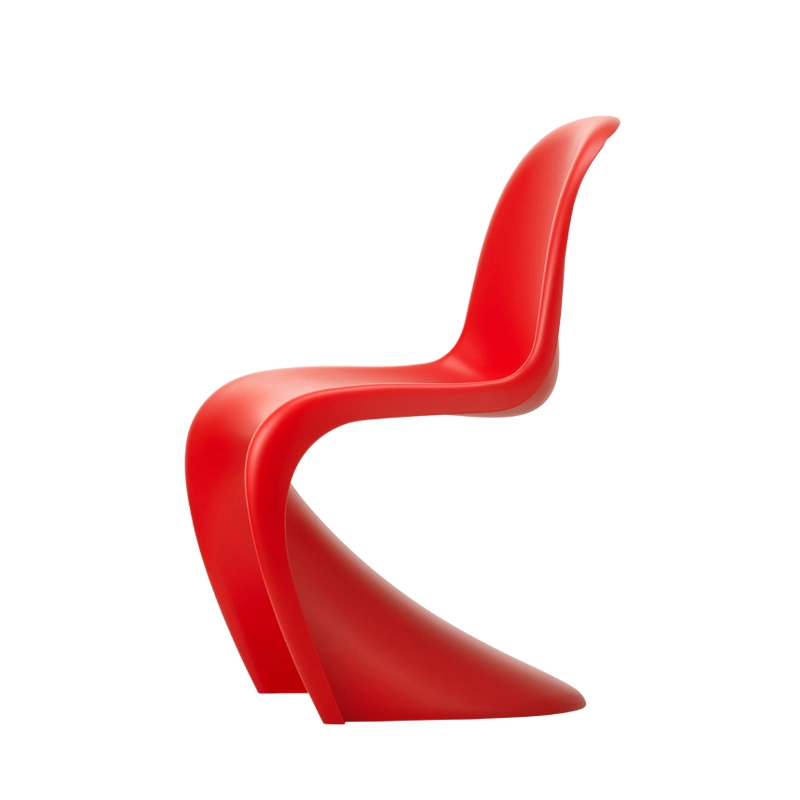
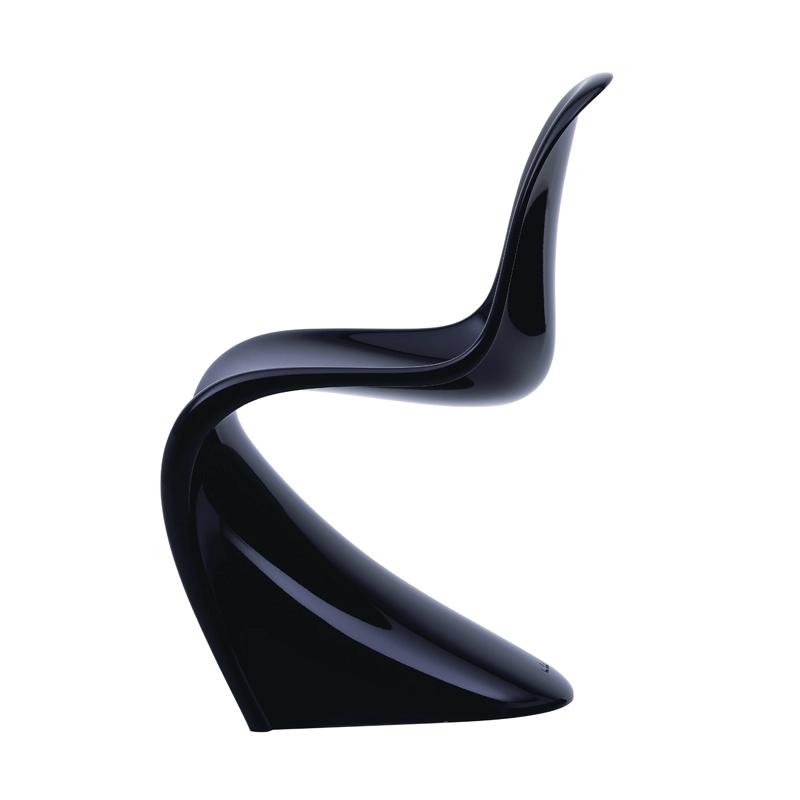
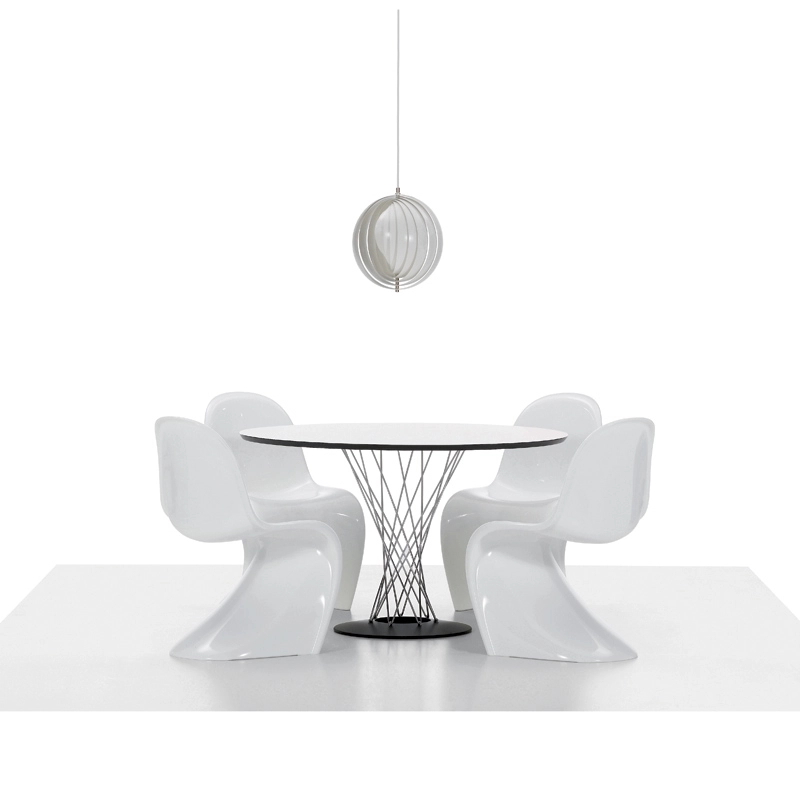
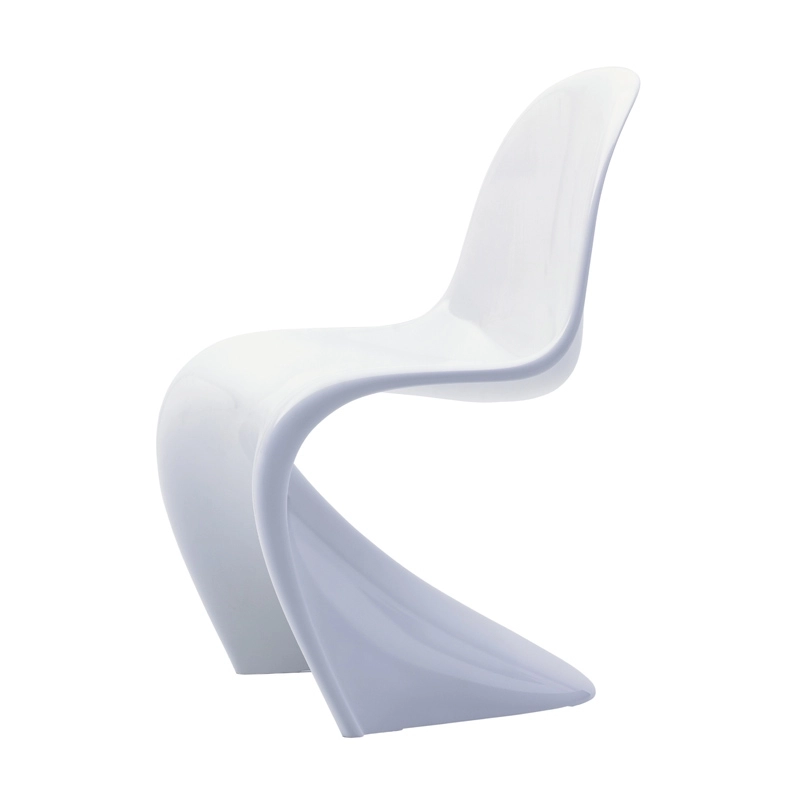
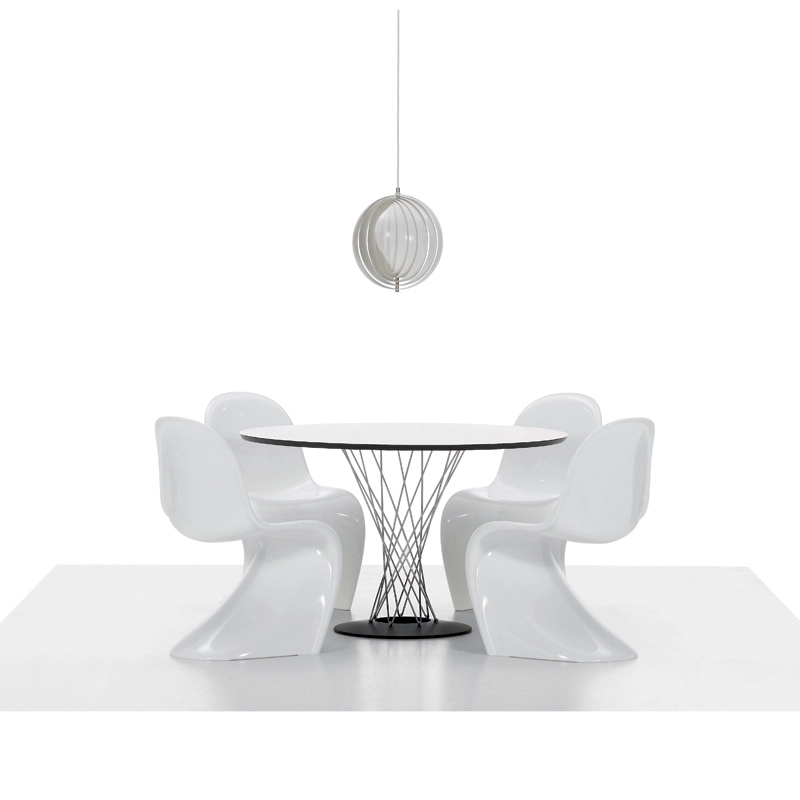
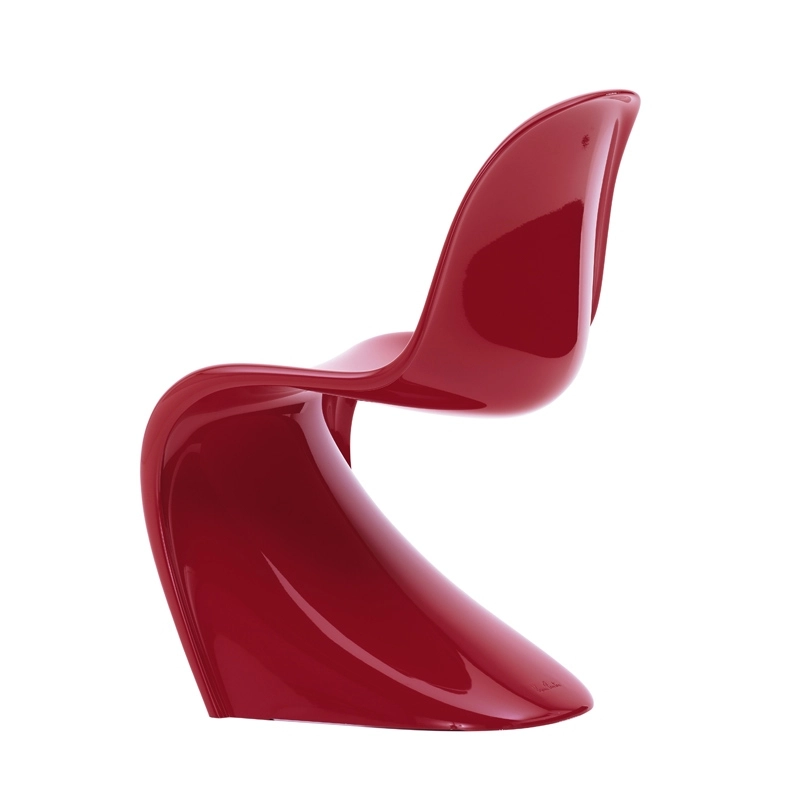
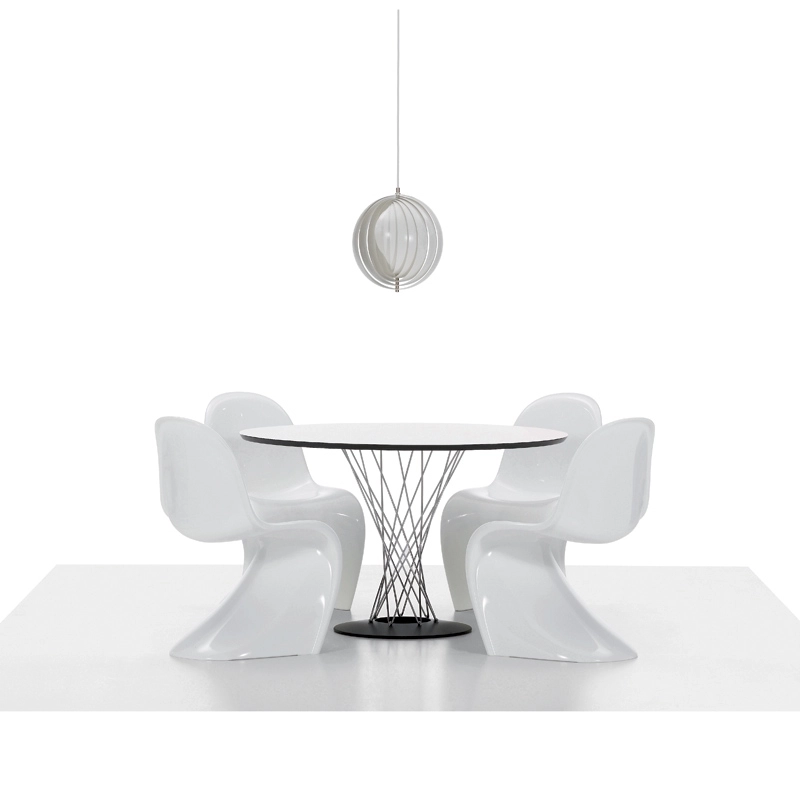
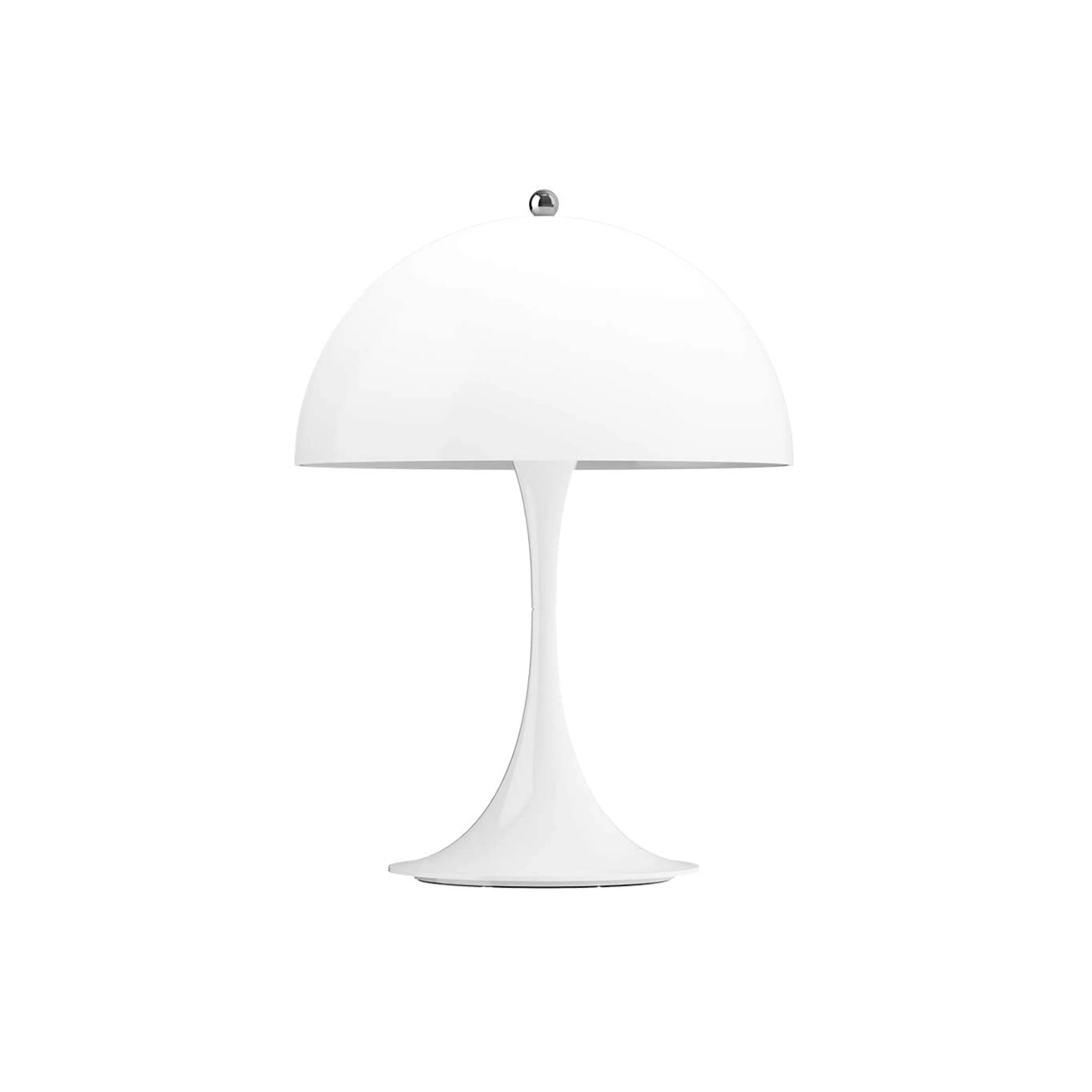
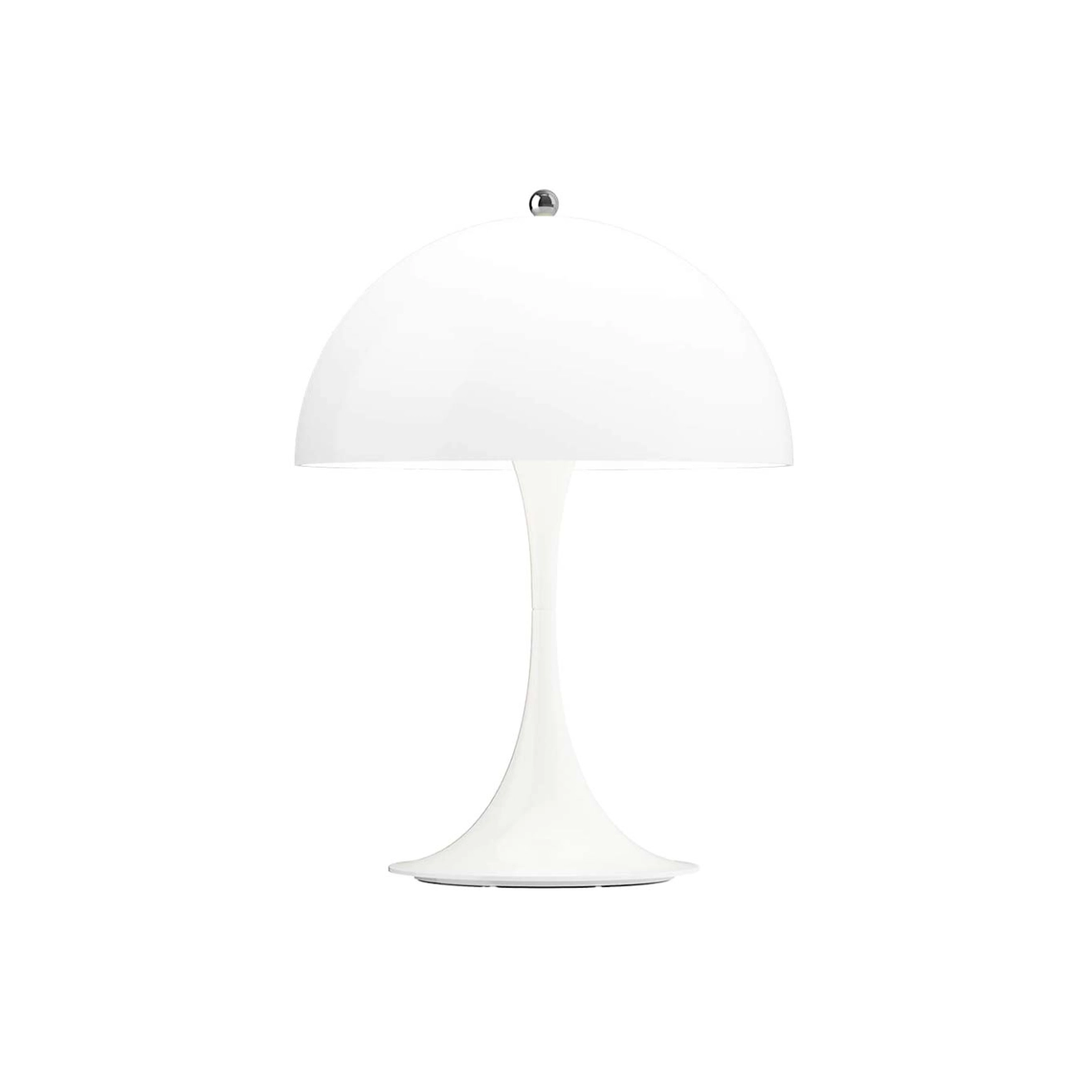
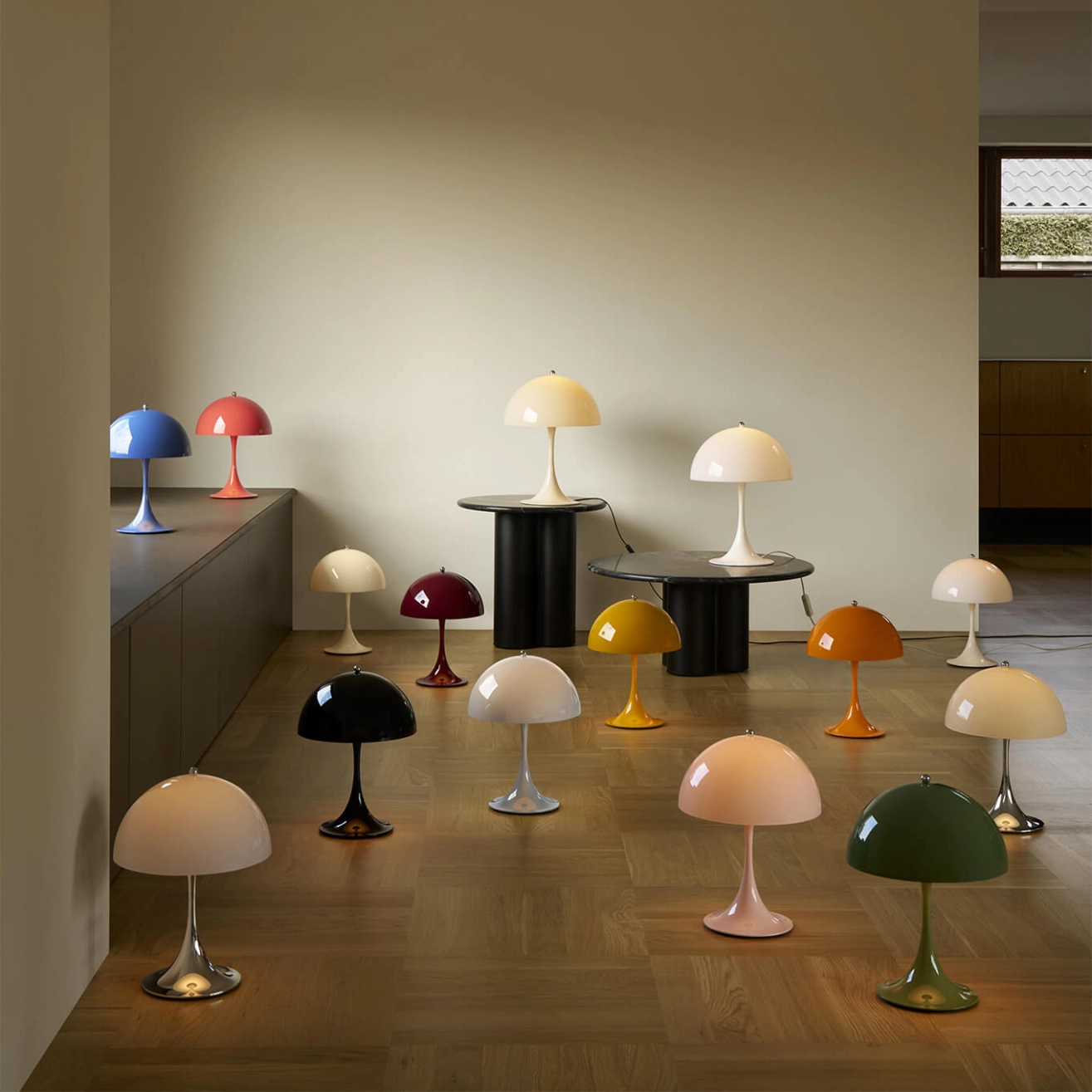
Born in 1926 in Gamtofte, Denmark, Verner Panton attended technical school in Odense and then studied architecture at the Royal Academy of Fine Arts in Copenhagen. Verner Panton was employed in Arne Jacobsen's architectural practice and founded his own architecture and design studio in 1955. Verner Panton's furniture based on geometric shapes, manufactured by the "Plus-linje" company brought him public attention for the first time. Verner Panton's predilection for bright colours and geometric shapes is evident in his many textile creations, such as the cushions in the "Textiles of the 20th Century" collection. His interior designs, aimed at blending furniture, lighting, textiles and wall panels into an indivisible unit, are legendary. Verner Panton's famous collaboration with Vitra began in the early 1960s. He then developed his most famous creation, the Panton chair, presented in 1967. It is also the first product to be manufactured by Vitra on its own account. Verner Panton died in 1998 in Copenhagen. Regarded today as one of the most influential masters in the world of 20th-century Design, Verner Panton leaves behind an innovative, futuristic style using mainly brightly coloured plastic and favouring generous, atypical shapes, such as his iconic luminaires published by Verpan. Today, the iconic designs of Verner Panton are still in great demand.

Danish brand Louis Poulsen was founded in 1874, originating from traditional Scandinavian design where form follows function. Louis Poulsen became the owner of the company in 1906 after the death of his uncle, Ludvig R. Poulsen. Louis Poulsen’s approach to architectural development began when he collaborated with one of the world’s leading lighting designers, Poul Henningsen. In 1924, the designer began collaborating with Louis Poulsen lighting; their objective was to take part in the "International Exhibition of Modern Decorative and Industrial Arts". In 1925 the collaboration proved successful and the Poul Henningsen lamps won the gold medal. Following this victory, the two men marketed their products in France, England and Denmark.
Learn more
Delivery possible within 48 hours for in-stock products.