

Enjoy all the benefits we offer and track your purchases in the order history.
RegisterYou will receive a link by email to reset your password.


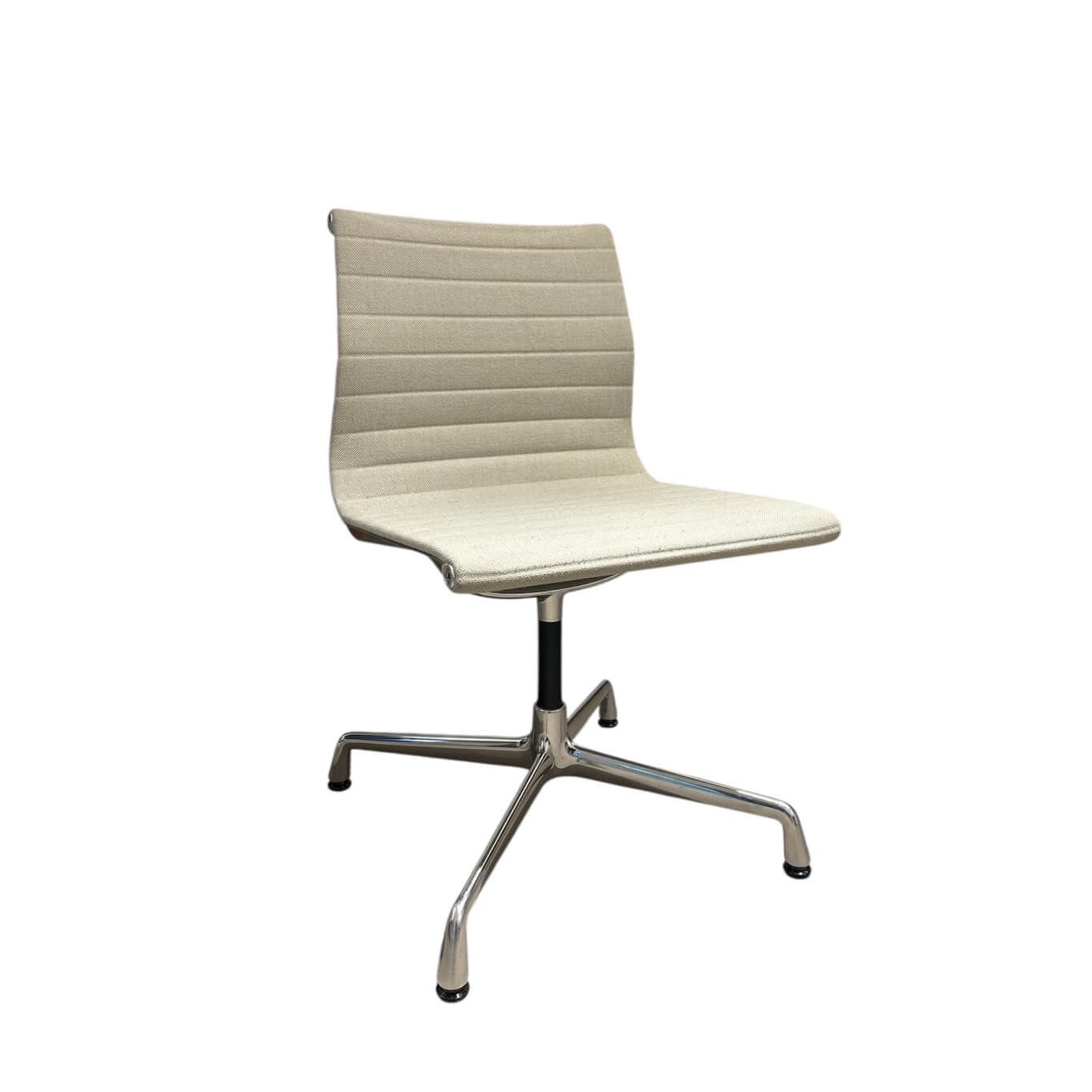
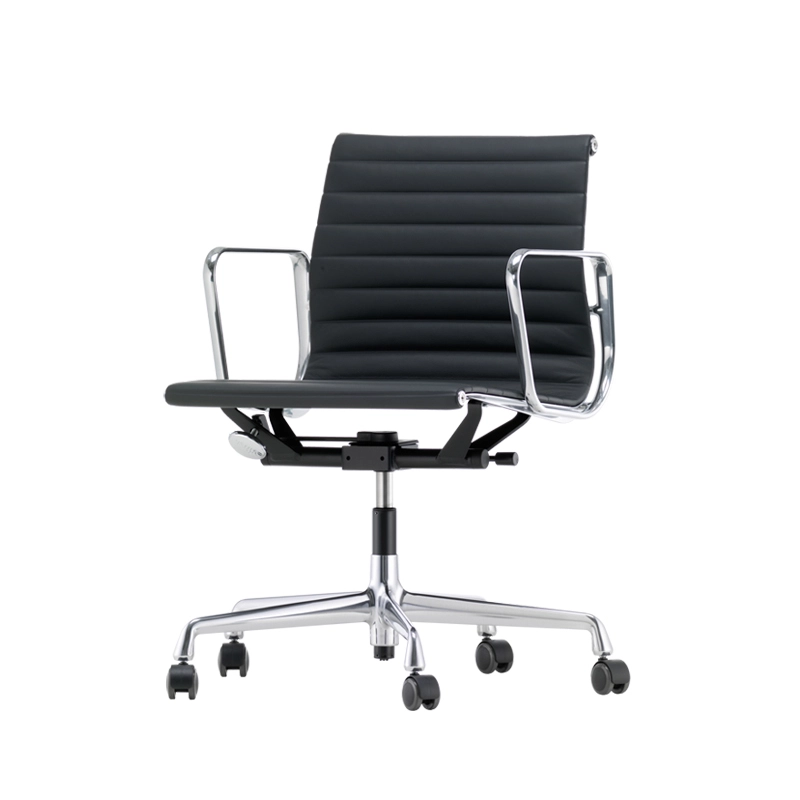
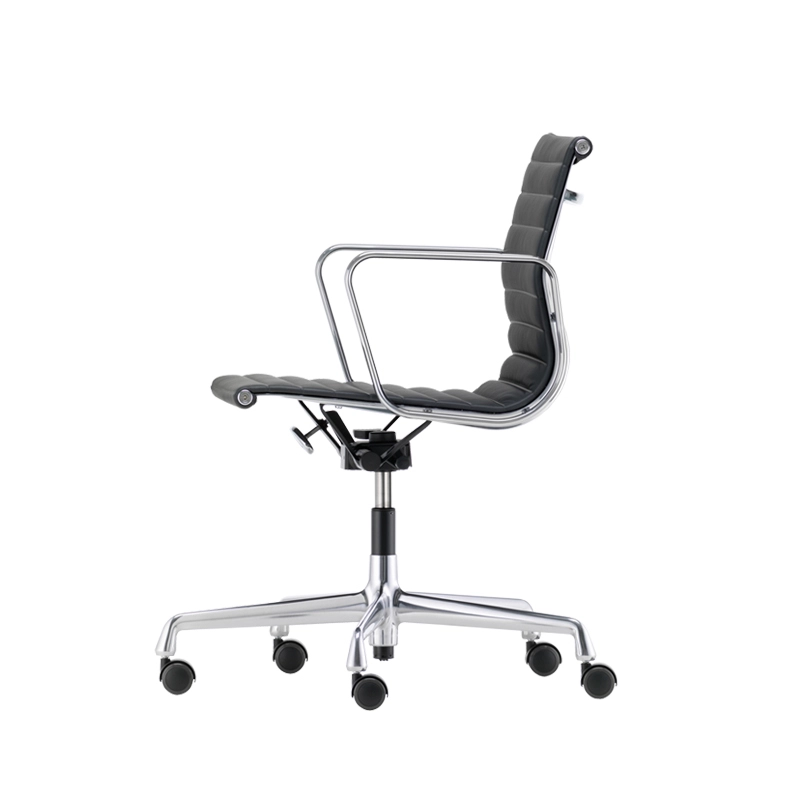
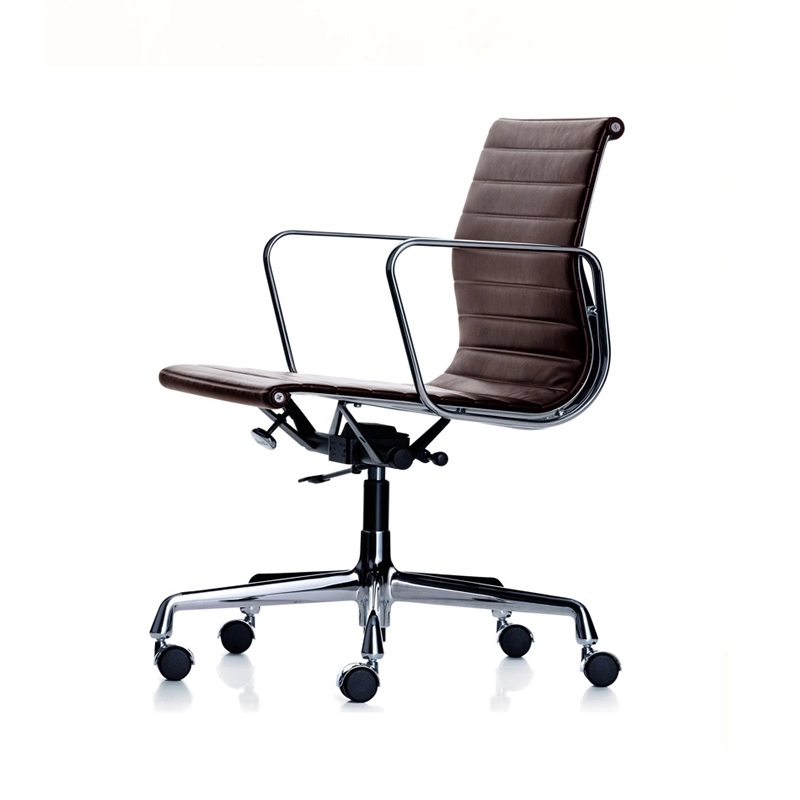
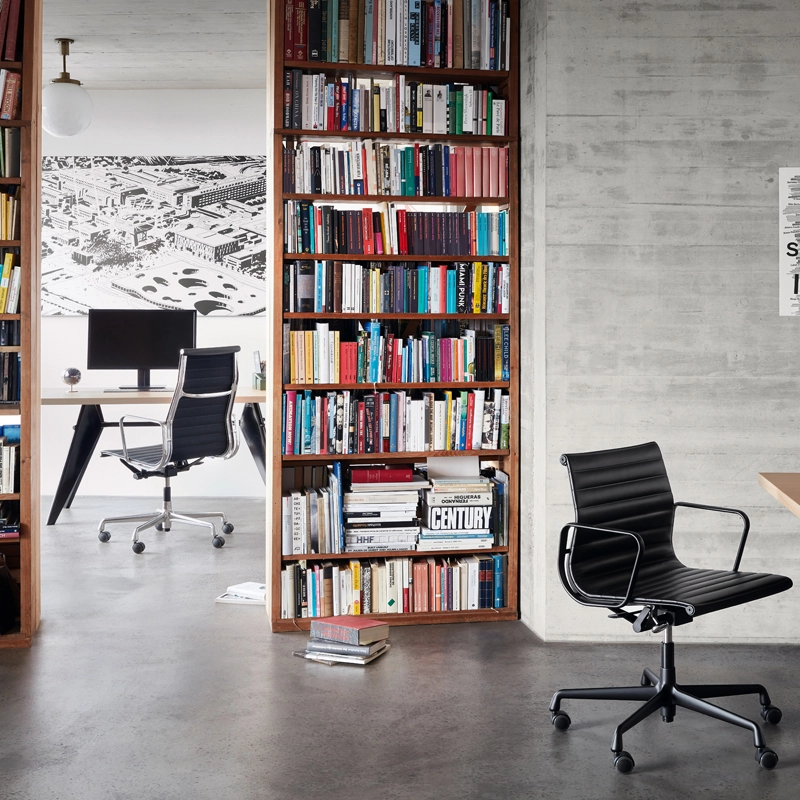
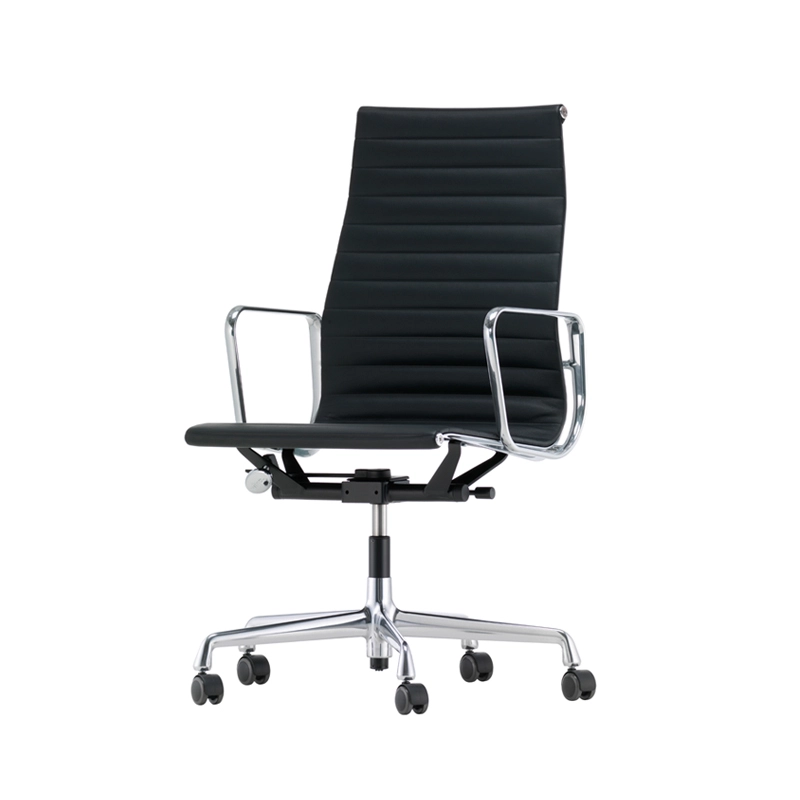
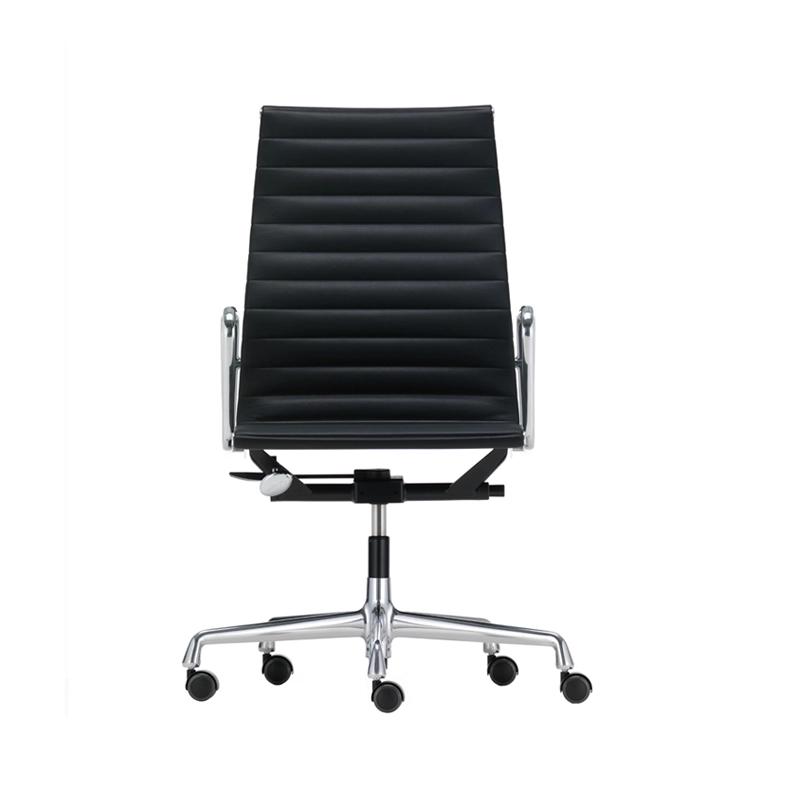
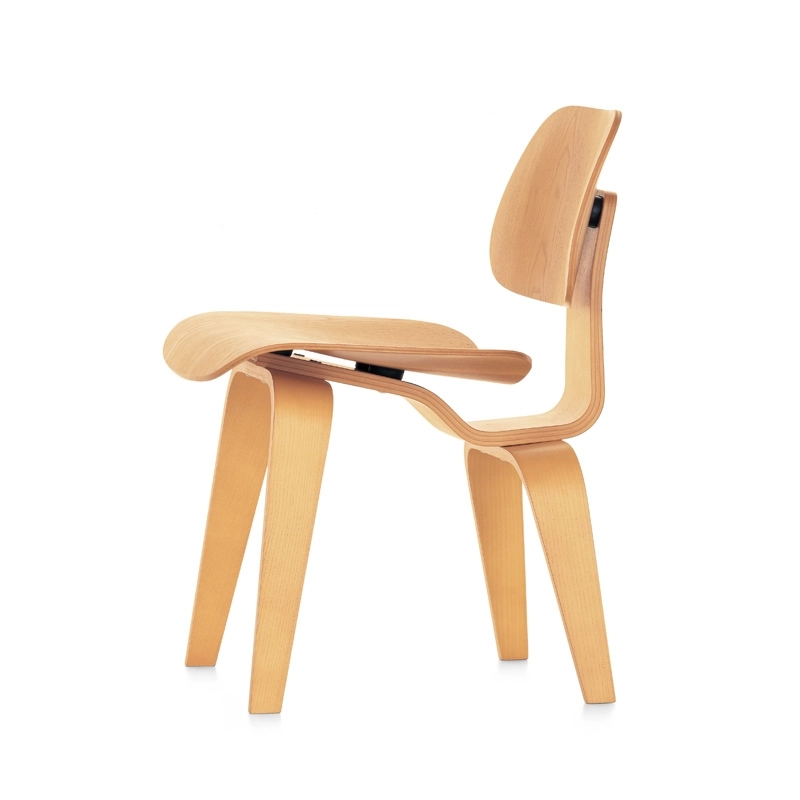
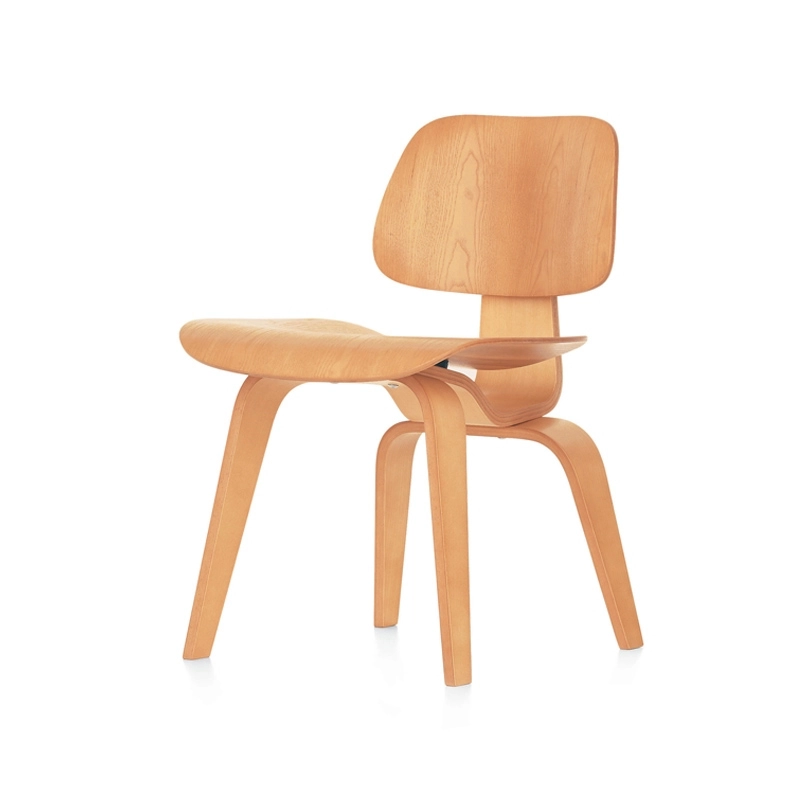
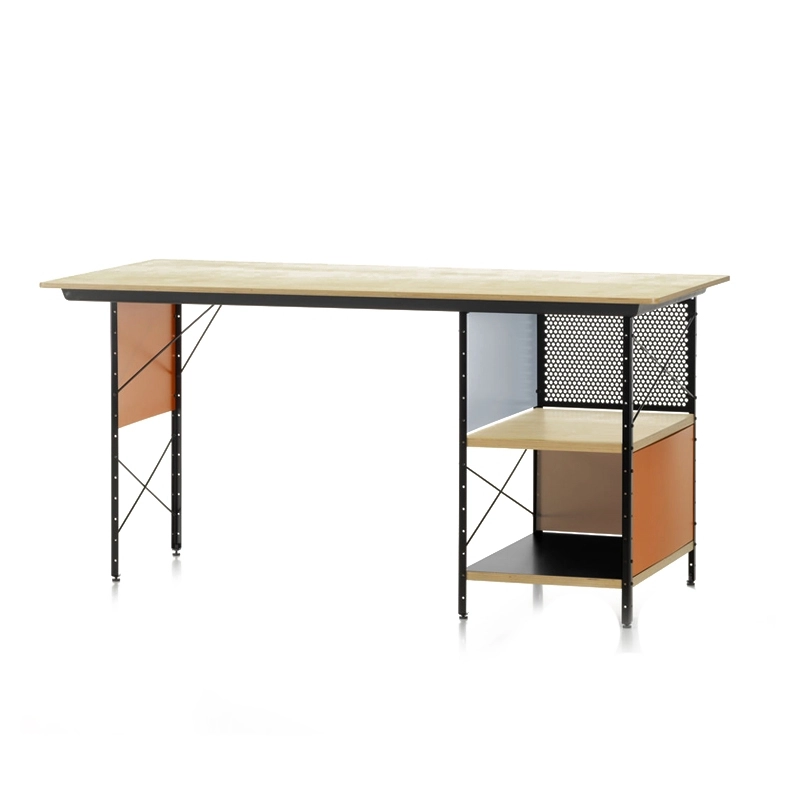
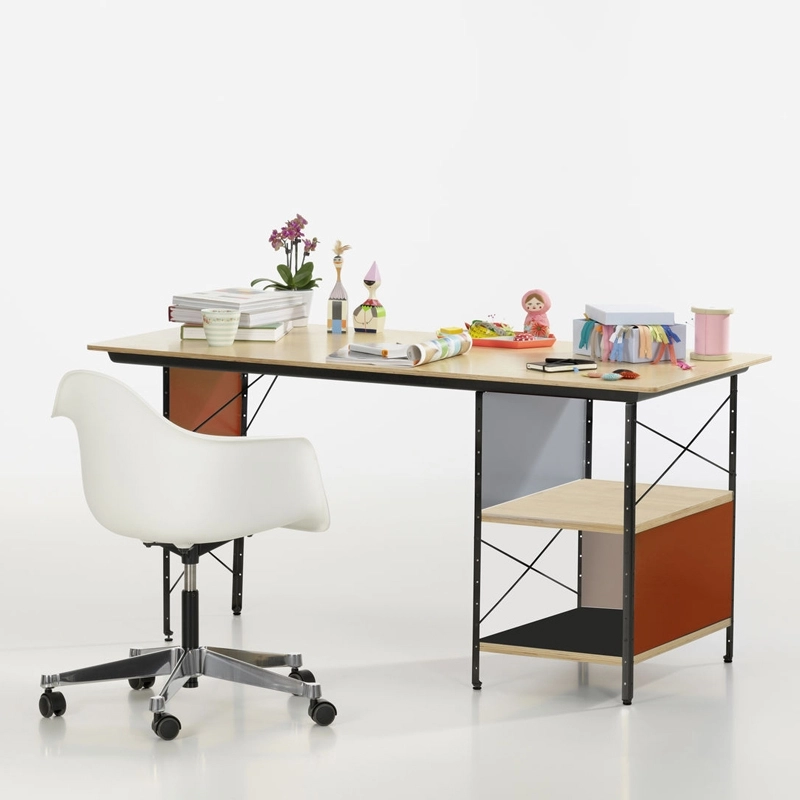
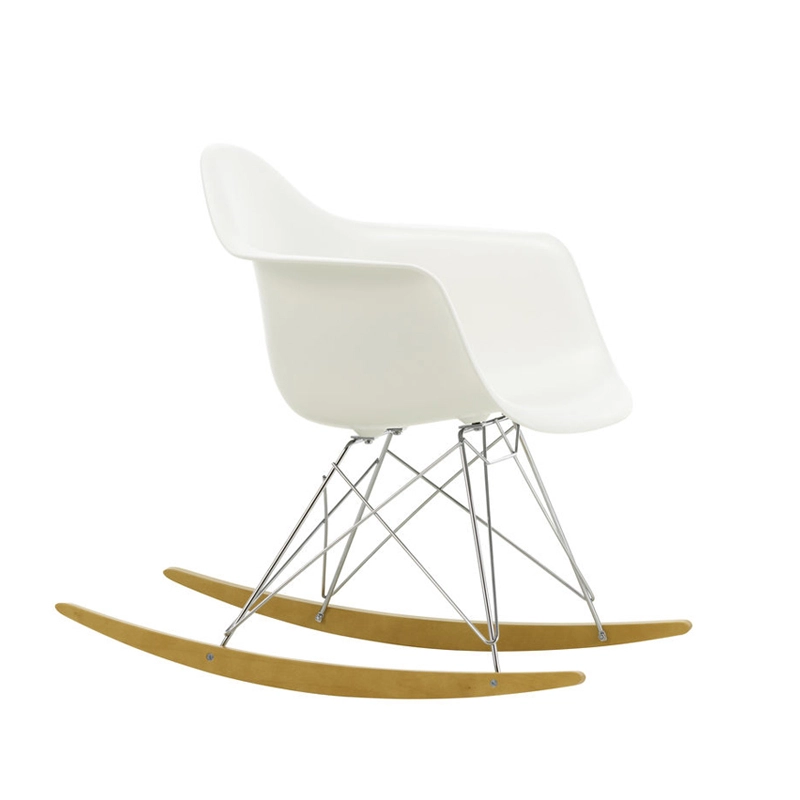
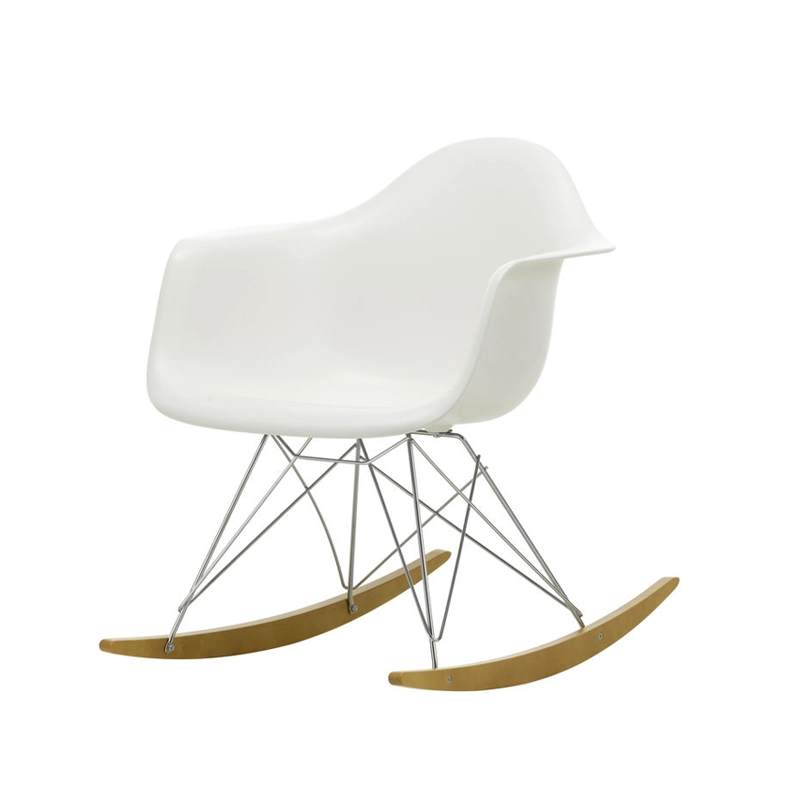
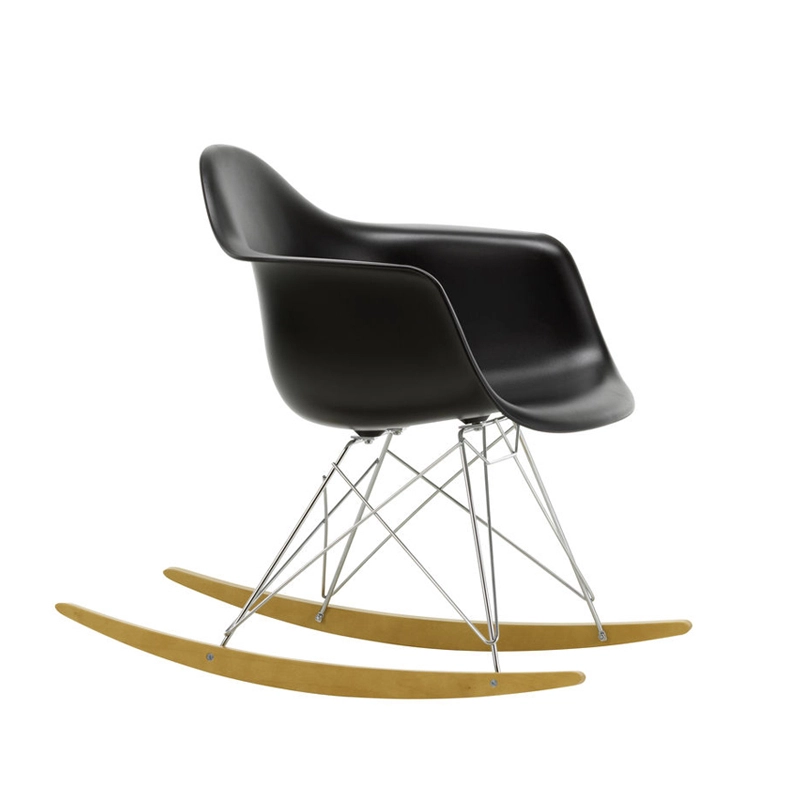
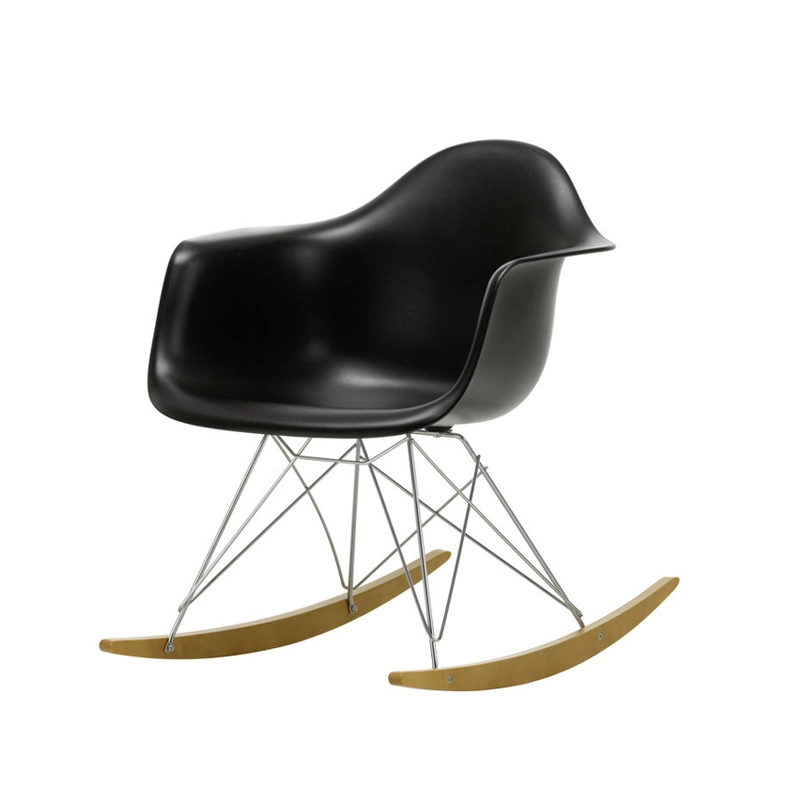
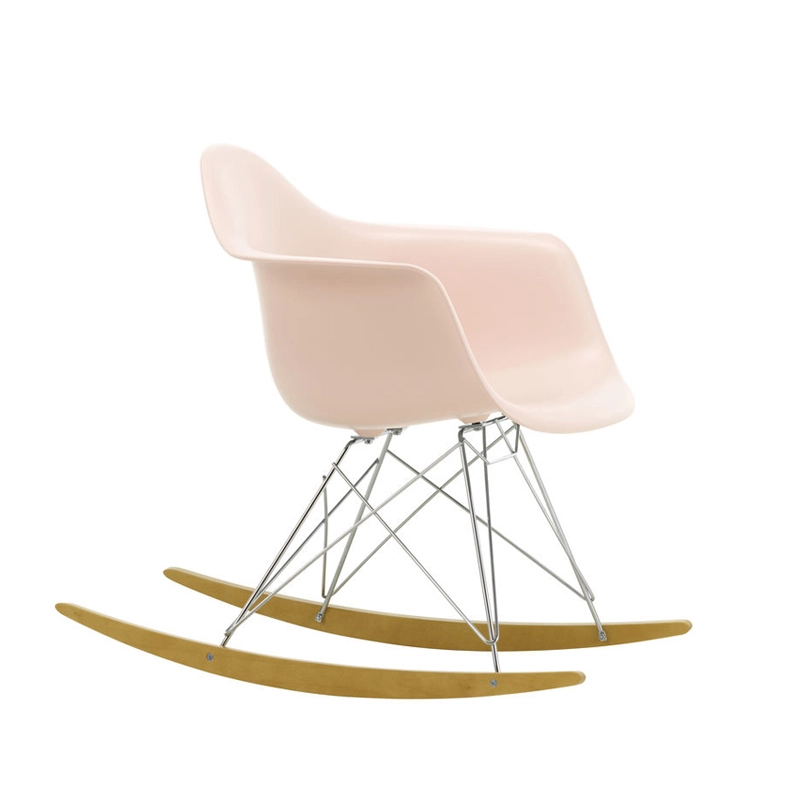
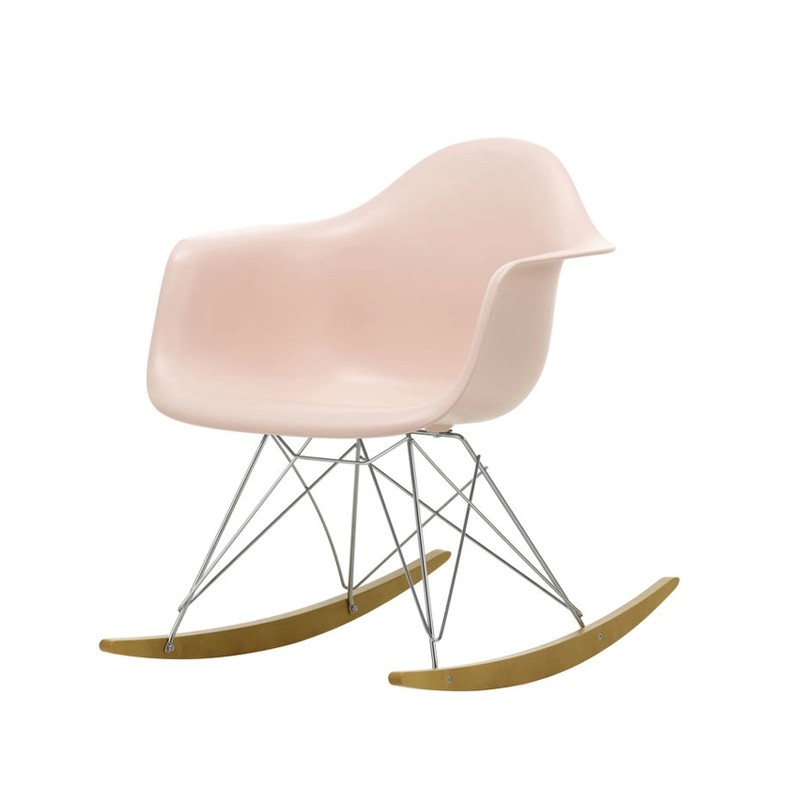
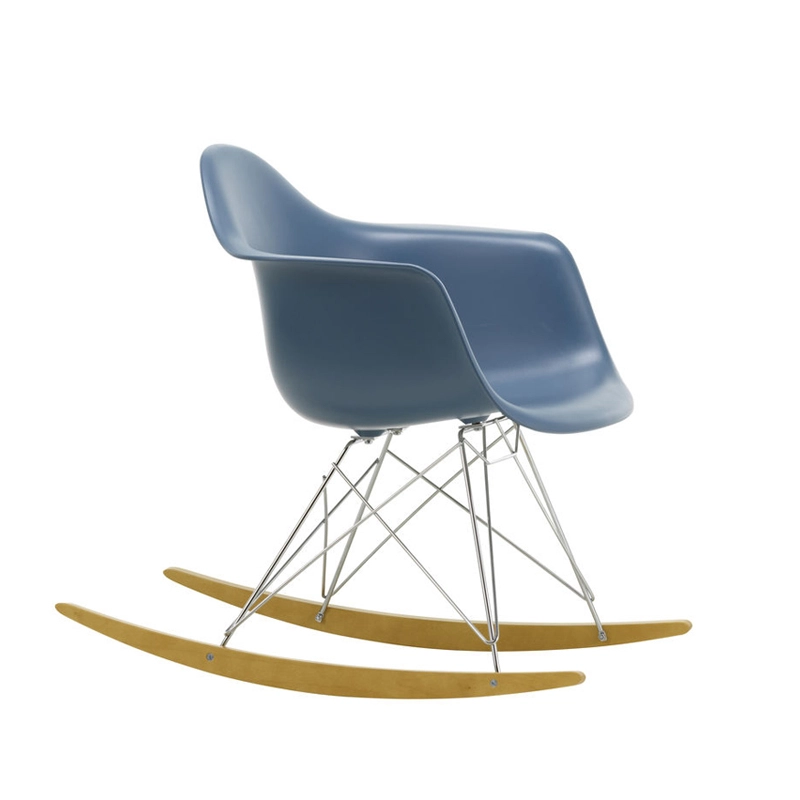
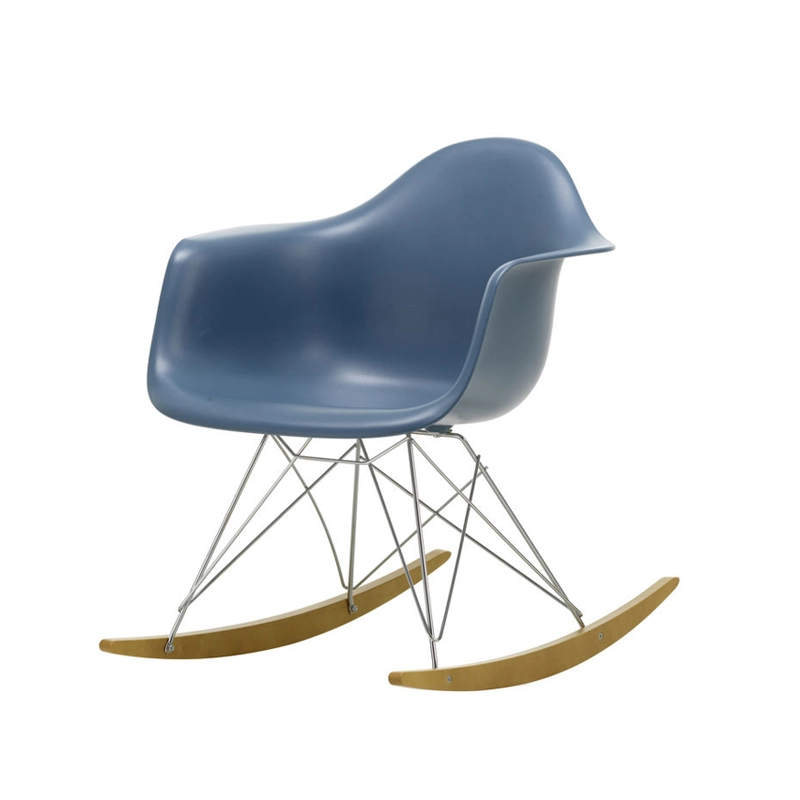
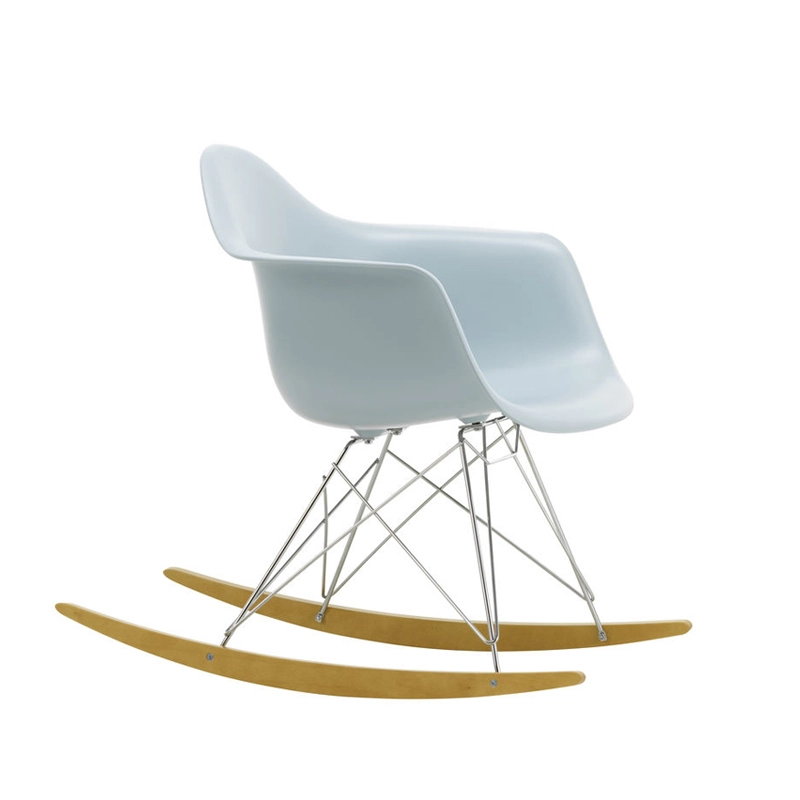
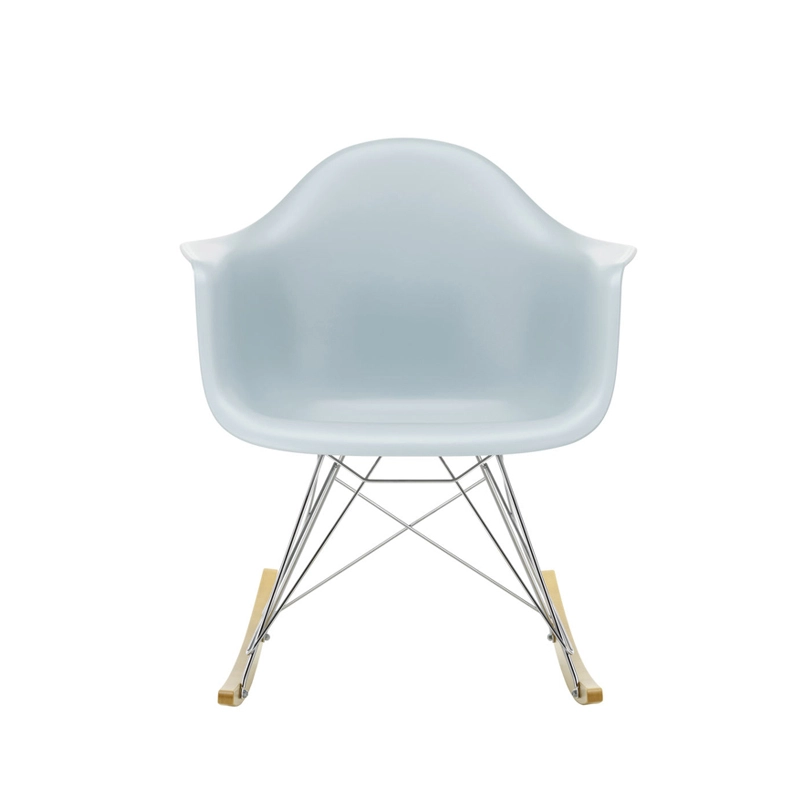
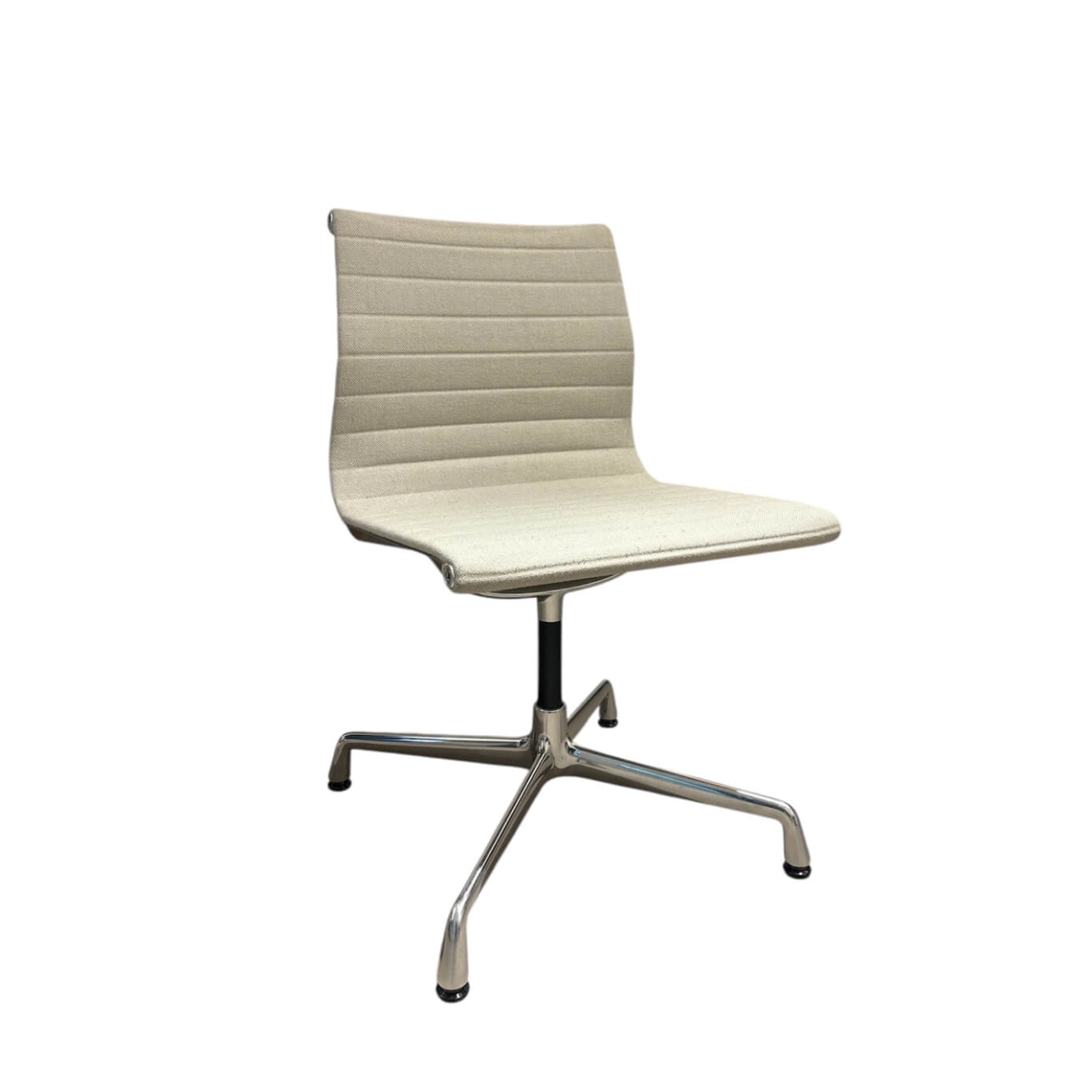
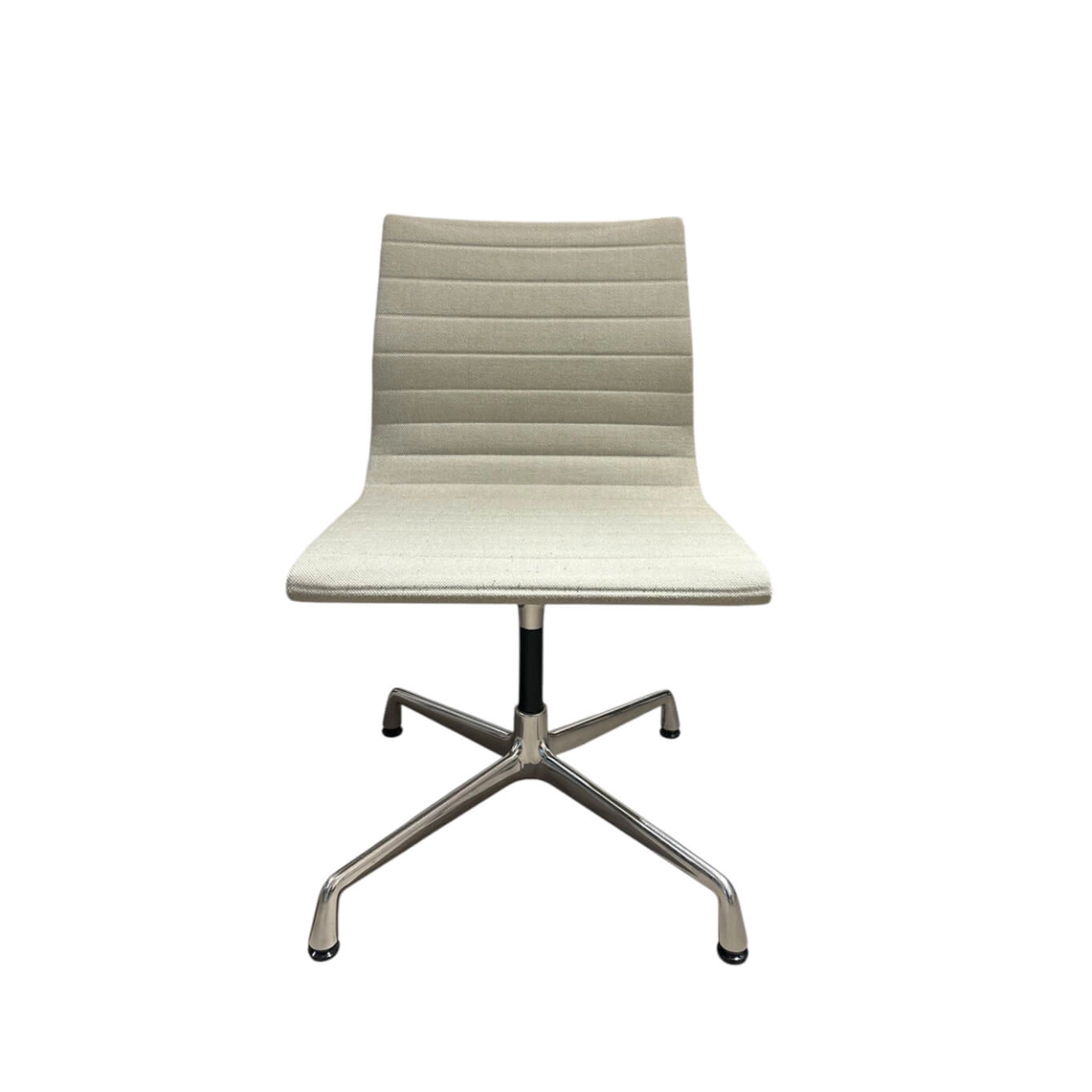
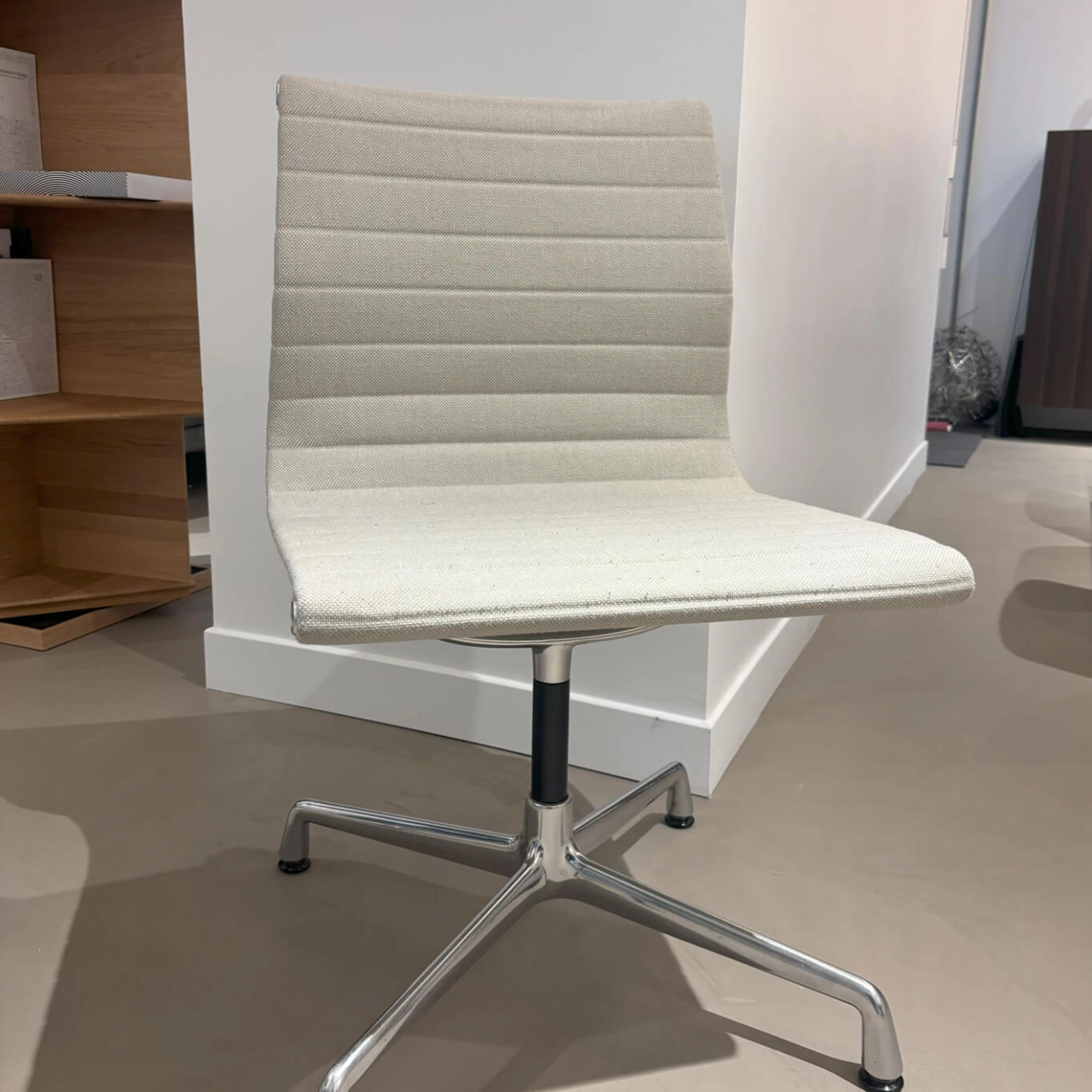
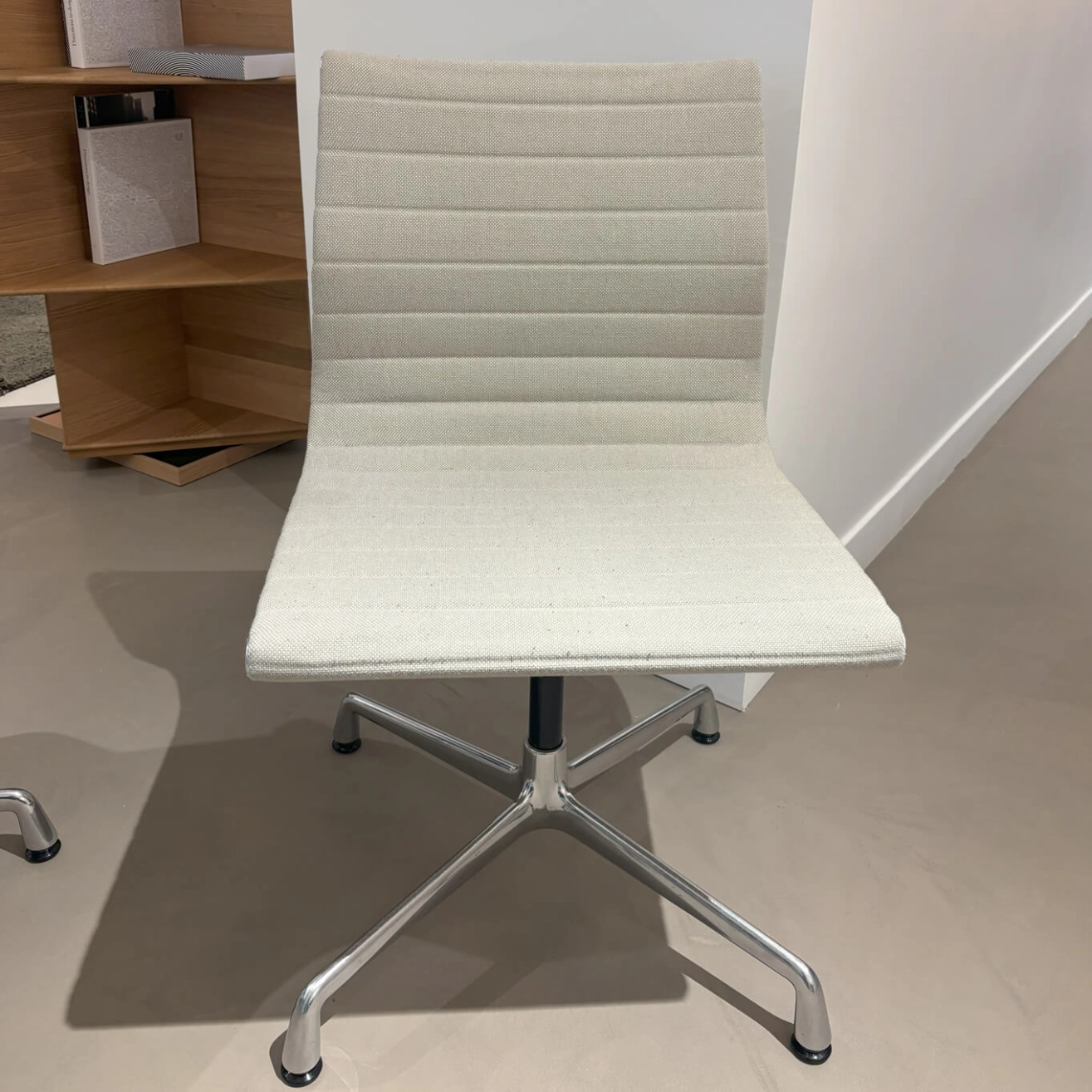
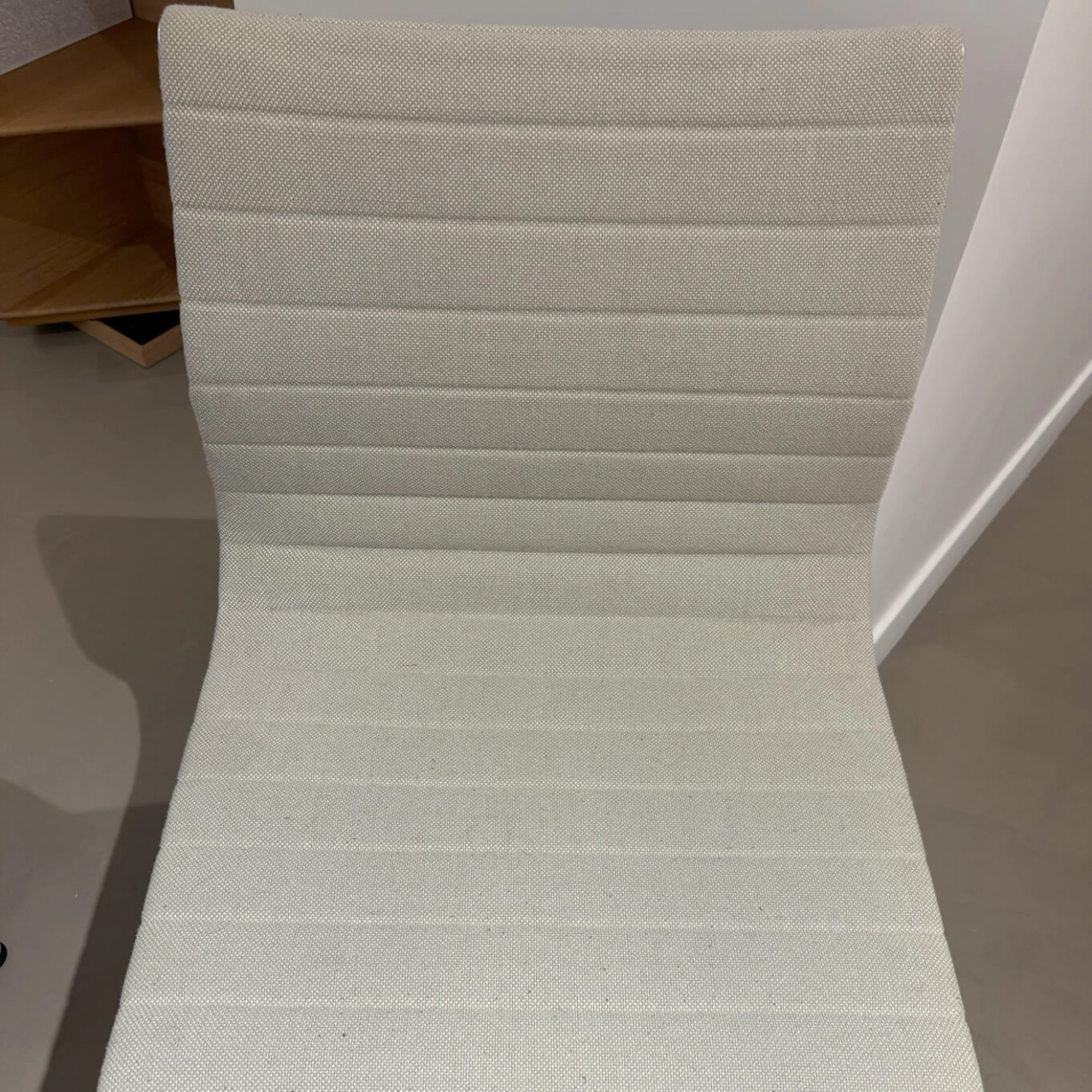
When he died at the age of 71 in 1978 in St Louis, his home town, Charles Eames embodied one of the major figures of 20th century design, which he was able to steer towards mass production. Trained as an architect, in 1940 he won 1st prize with Eero Saarinen in the Moma organic design competition in New York, which led to him teaching industrial design at Cranbrook Academy, where he met his wife Ray, who studied painting there. Charles and Ray Eames married in 1941 and moved to Los Angeles, where they began experimenting together with three-dimensional plywood moulding techniques. The aim was to create comfortable and affordable chairs. Innovative plywood splints and stretchers for the US Army led them to develop this technology, the furniture for which was produced by Herman Miller (1946), then Vitra (1957). In 1948, Charles and Ray Eames entered MoMA's "Low-Cost Furniture" competition, and in 1949 they created the Eames House as their private residence. Their Eames Lounge Chair has sold over 6 million units since its creation in 1956, while the Aluminium Chair (having initiated the Aluminium group in 1958) and the swivel armchair with its Soft Pad footrest (1969) continue to appeal to design enthusiasts and even enjoy a 30-year guarantee! In addition to their work in furniture design and architecture, Charles and Ray Eames also regularly dabbled in graphic design, photography, film-making, and exhibitions. For Vitra, the encounter with Charles and Ray Eames was of fundamental importance. The company's history as a furniture manufacturer began with the production of their designs in 1957. But it's not just their products that the design duo are making their mark on Vitra. In fact, their conception of design still defines the values and direction of the company to this day. To this day, the design philosophy of Charles and Ray Eames continues to notably determine the values, direction, and goals of Vitra. This decisive influence can be seen most clearly in the question that always arises at Vitra when it comes to making important design decisions: what would Charles and Ray say? During their life together, the couple gave their answers on trips to Europe and on return visits to California. In the Eames House, we can find many items brought back from trips, such as the Eames House Bird.

Founded in 1950 by Willi and Erika Fehlbaum, Vitra is an iconic brand of Swiss designer furniture, renowned for its iconic chairs, exceptional armchairs, and contemporary tables. Located near Basel, Switzerland, the company has established itself as a key player in international design through collaborations with renowned designers such as Charles & Ray Eames, Verner Panton, Antonio Citterio, Alexander Girard, and the Bouroullec brothers.
Learn more
Delivery possible within 48 hours for in-stock products.